





OCFY Grant Providing Free Trauma Training, Facilitated by Lakeside Global
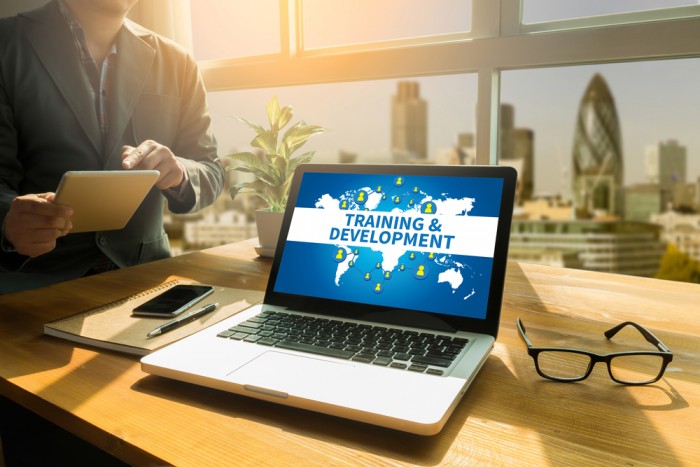
As part of the ongoing efforts by the Office of Children, Youth, and Families (OCYF) and the Office of Mental Health and Substance Abuse Services (OMHSAS) to assist children’s providers in the states’ trauma-informed initiative, these offices have partnered with PA Care Partnership to provide any child welfare professionals in Pennsylvania FREE Trauma Training by Lakeside Global through September 30, 2024, or while funding is available. Available trainings will be offered in-person or live via a web-based platform.
For individuals looking for Trauma Training, there are multiple cohorts for courses and workshops scheduled on specific dates and times.
- For Intensive Trauma Training, visit here.
- For Trauma Workshop Training, visit here.
Trainings available include the following:
- Enhancing Trauma Awareness;
- Deepening Trauma Awareness;
- Applying Trauma Principals;
- Train the Trainers;
- Trauma-Sensitive Certification;
- Processing Pain, Facilitating Healing; and
- Trauma 101 through 110 Workshops.
Questions?
If you already registered for training and did not receive a training link, here are your contacts:
- Trauma Workshops
- Workshop Schedule Adjustment
- For Intensive Courses
- Looking for Your Course Books
- Where to Send an Evaluation
If you have any additional questions, please contact RCPA Policy Director Jim Sharp.







 Prev
Prev