




Feds Urged to Classify Disability As a Health Disparity


The State Fiscal Year 2022/23 Q4 Report required by the Work Experience for High School Students With Disabilities Act (Act 26 of 2016) is now available. A copy of the report can be viewed here, and it can also be found on the Office of Vocational Rehabilitation’s (OVR) website under the Act 26 Information tile.

March to Promote Increased Funding for Mental Health Initiatives
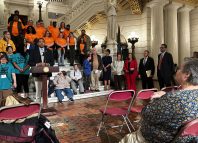
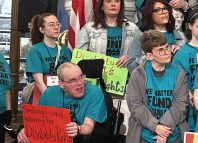
We are just days away from the March on Harrisburg, and we cannot wait to advocate alongside you and our partner stakeholders on Wednesday, September 27, 2023, on the Capitol steps at 10:30 am. The t-shirts will be green, and while we would love to have enough to go around, there is a chance we will not. Everyone is hearing the call, and the number of registrants has grown in the past week! Please consider wearing green if you have it!
Please review the agenda for the day as well as march logistics regarding getting to Harrisburg, parking, and the march route. We have some amazing and inspirational speakers joining us, including Rep. Mike Schlossberg, as we all come together and raise our voices for a united message.
The flyer includes information for registering. Registration is for planning purposes as well as to help us understand how we can better support our CSPs and individuals who may need assistance with transportation. Everyone is encouraged to join us on the day of the event, even if you do not register. We encourage you to register here. You can also follow the Facebook event page for more information.
We look forward to seeing you at the March on Harrisburg on Wednesday, September 27 at 10:30 am. If you have any questions or need to make arrangements to attend, please contact RCPA Policy Director Jim Sharp.

The Office of Developmental Programs (ODP) is notifying all interested stakeholders that the Centers for Medicaid and Medicare Services (CMS) has approved Pennsylvania’s Home and Community-Based Services (HCBS) Statewide Transition Plan. View the ODP announcement as well as the Statewide Transition Plan Infographic for details.
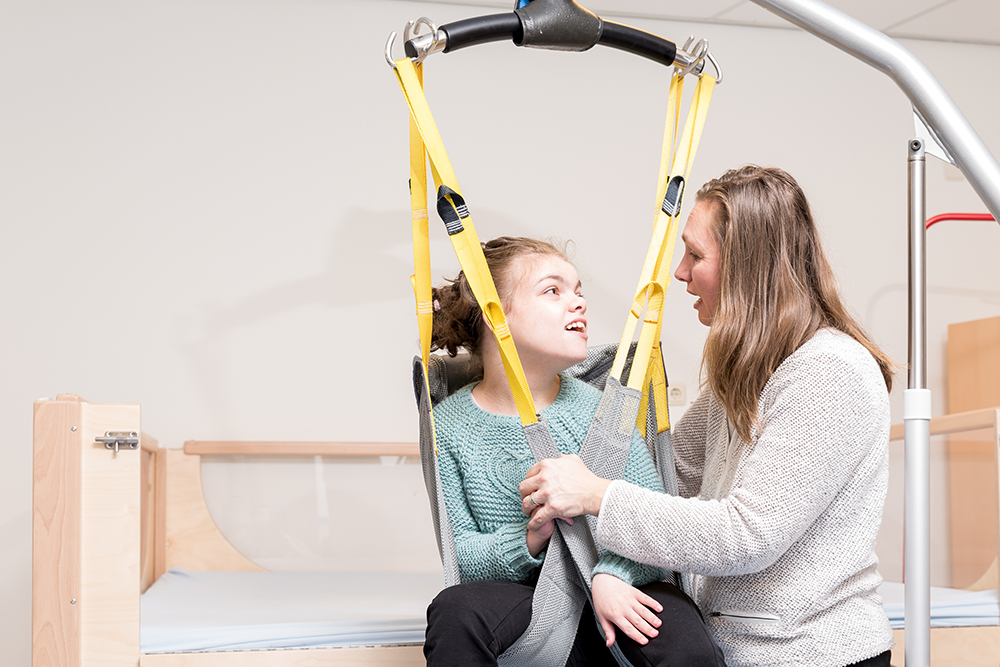

October starts the PA Family Network’s series on technology. Technology has become a major part of all our lives. For people with intellectual/developmental disabilities, technology can offer opportunities for independence, entertainment, choice, and control. Remote Supports are also now offered, providing more opportunities for services that can increase independence. Join the discussion as we talk about how technology and remote supports and can impact an Everyday Life! These workshops are created by family members and self-advocates FOR family members and self-advocates.
Register for upcoming events here.
October Workshops
LifeCourse Workshops
Waiver Workshops
Community Engagement Workshops (These are offered twice each day and won’t be repeated.)
Support Groups
October is just around the corner, and that means the 2023 RCPA Annual Conference A Decade of Unity will be here before you know it! You’ll want to register today, as you’ll be able to reserve your seat in exciting, engaging workshops for CE credits as well as gain access to the mobile app when launched. Our mobile app will allow you to create your schedule, begin networking, and interact with sponsors and exhibitors up to a week prior to the first day of conference! View the registration brochure for full details, and note that hotel rooms are quickly filling, so if you have difficulties making your reservation, please contact Carol Ferenz. Register directly to claim your seat at the conference today!
We also wish to extend our thanks to those organizations that have contributed and shown their support! View our full list of sponsors and exhibitors at our Conference website! We look forward to seeing everyone at the Hershey Lodge!

Governor Shapiro’s Office has launched a new phone number, which will allow him and his Administration to communicate directly with Pennsylvanians on important updates and hear from them on issues impacting them and their families. This communication is made possible through Community, an SMS engagement platform that connects elected officials, businesses, public figures, and sports teams to their audiences through unique 10-digit phone numbers.
Why is the Governor launching this number?
Governor Shapiro fundamentally believes there should be no wrong door to access government, whether you are calling an office, walking into a government building, or (now!) sending a text. The Governor has made meeting Pennsylvanians where they are a key aspect of his Administration — from connecting with Pennsylvanians everyday on social media to engaging content creators around important events and updates.
How do I sign up to receive texts?
Signing up is easy — all you have to do is text 717-788-8990, or visit this link! Make sure you follow the prompts after you text to continue receiving messages from the Governor.

 Prev
Prev