






RCPA and OMHSAS Telehealth Forum Notes Now Available




Join RCPA for a Membership Benefits webinar on Wednesday, January 4, 2023, at 1:00 pm in order to orient yourself with all that an RCPA membership entails. This webinar will review the benefits that come with RCPA membership, including many that you may not be aware of. Those considering membership are also invited to become acquainted with the benefits.
Register here to attend this webinar. Items we will review include the below and much more:
Visit the RCPA member benefits page or contact Tieanna Lloyd for more information. We look forward to your participation in this webinar.

Register Today for the Pennsylvania Technology Innovation Luncheon
Thursday, January 12, 2023
11:00 am – 2:00 pm ET
777 E Park Drive, Harrisburg, PA 17111
Eleos Health invites all RCPA behavioral health provider members to participate in this informational, in-person session.
Let’s give frontline providers more:
Eleos Health’s motto is more care, less ops. Our proprietary technology digitizes behavioral health conversations, tracks evidence-based care and reduces documentation work for providers by over 50%. We’re dedicated to giving providers the ability to focus more of their time on what they do best – caring for their clients.
During this luncheon, you’ll join a select group of Pennsylvania behavioral health leaders to discuss how innovative technology can help solve top workforce challenges and improve care.
Speakers will include Susan Blue, CEO & President of Community Services Group (CSG), Josh Cantwell, COO of GRAND Mental Health in Oklahoma, and Andrew Schmitt, LCSW, Director of Outpatient Services of Gaudenzia, Inc., who will share how they approach technology decisions and why they chose Eleos as a valued partner.
GRAND’s efforts to tech-enable their providers were recently featured by the Philadelphia Citizen in the article “Ideas We Should Steal: A Comprehensive Approach to Mental Health Care.”
We’d love to have you join the conversation at this special event!
Attendees can expect to:


The agenda for the January 4, 2023, Managed Long-Term Services and Supports (MLTSS) Subcommittee meeting has been released. The meeting is scheduled for 10:00 am – 1:00 pm and will take place in person in the PA Department of Education Building’s Honors Suite, 1st Floor, at 333 Market St. in Harrisburg as well as via webinar. The link to register for the webinar is here, and the dial-in number is (415) 930-5321, with access code 440793029#.



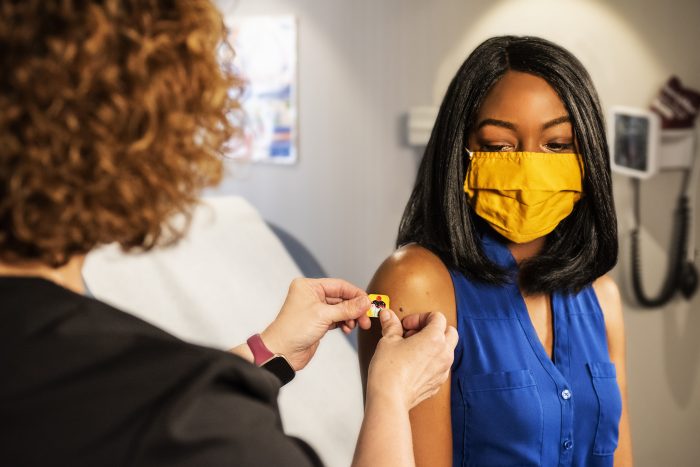
As the holiday season approaches, remember to protect yourself and others by staying up-to-date with your COVID-19 and flu vaccines. You may be eligible to receive your flu vaccine at the same time as a recommended COVID-19 vaccine. Your healthcare practitioner or pharmacist can help you decide if you should receive both vaccines at the same time.
Flu Vaccine
CDC recommends that everyone 6 months and older should get a flu vaccine every flu season, with rare exceptions. Vaccination is particularly important for people who are at higher risk of serious complications from influenza. A full listing of people at Higher Risk of Developing Flu-Related Complications is available.
COVID-19 Vaccine
CDC recommends that people ages 5 years and older receive one updated (bivalent) booster if it has been at least 2 months since their last COVID-19 vaccine dose, whether that was:
People who have gotten more than one original (monovalent) booster are also recommended to get an updated (bivalent) booster.
Staying up-to-date with COVID-19 vaccination is important for maximum protection. You are up-to-date with your COVID-19 vaccines if you have completed a COVID-19 vaccine primary series and received the most recent booster dose recommended for you by CDC.
You are still up-to-date if you receive all COVID-19 vaccine doses recommended for you and then become ill with COVID-19. You do not need to be immediately revaccinated or receive an additional booster.
Updated (bivalent) boosters became available on:
Your healthcare practitioner, including your pharmacist, can help you determine if you are up to date with your vaccines.
Additional Resources
 Prev
Prev