







DDAP Announces Updated SUD Confidentiality Training



Registration is now open for the October 4, 2022, Managed Long-Term Services and Supports (MLTSS) Subcommittee meeting. The meeting will be held in person and will also offer participation via webinar. The meeting will take place at the PA Department of Education’s Honors Suite, 333 Market Street in Harrisburg, from 10:00 am – 1:00 pm.
Public comments will be taken after each presentation. Questions can be entered into the chat box during the presentations, and these questions will be asked at the end of each presentation. There will be an additional period at the end of the meeting for any additional public comments. If participants have any concerns about alternative methods for submitting questions or comments during a subcommittee meeting, including options when no internet access is available, please email DHS.
The Department of Human Services (DHS), Office of Long-Term Living (OLTL) is using technology that allows individuals to participate in the webinar and listen through computer speakers instead of participating by dial-in. Dial-in will still be available if you do not choose to participate by webinar, but the number is no longer toll free.
To participate in the meeting via webinar, please register by visiting this link. We encourage those participating by webinar to register early. When registering, please verify that you entered your email address correctly. You will receive a confirmation email containing information about joining the webinar if you registered correctly.
Dial-In Number: (914) 614-3221
Access Code: 803310710#
The Centers for Medicare and Medicaid Services (CMS) has issued a quarterly (consolidated from June 2020 to September 2022) inpatient rehabilitation facility patient assessment instrument (IRF-PAI) Question and Answer (Q&A) document in light of the release of the IRF-PAI 4.0. This document focuses on questions submitted to the IRF Quality Reporting Program (QRP) Help Desk related to the IRF-PAI version 4.0 and consolidates guidance from prior releases.


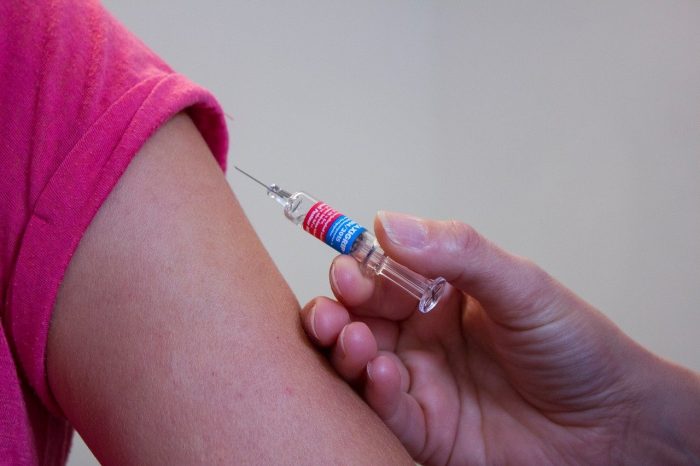
ODP Announcement 22-105 provides the most recent update to recommendations from the Centers for Disease Control (CDC) about details for COVID-19 vaccine and boosters. Release of this announcement will obsolete “ODPANN 22-046: COVID-19 Vaccine Booster Reminder.”
This updated guidance includes information on newly available booster vaccines, which are referred to as bivalent or updated vaccines. The guidance also discusses the availability of a newer primary vaccine called the Novavax COVID-19 vaccine. The CDC has updated information regarding the vaccination schedule for individuals based on age and provides considerations based on additional factors. Full information is available at the CDC’s Interim Clinical Considerations for Use of COVID-19 Vaccines Currently Approved or Authorized in the United States.

ODP Announcement 22-106 states that the Office of Developmental Programs (ODP) contracts with Temple University Harrisburg to deliver the ODP Certified Investigator Program and that ODP and Temple University are conducting Certified Investigator Friday Forums. These forums are an opportunity for current Certified Investigators and other interested parties to receive up-to-date information about the incident investigation process.
The next session date and time is Friday October 7, 2022, at 10:00 am – 11:30 am. The topic being covered is the Certified Investigator Report (CIR).
Please submit questions to Amanda Black by close of business Friday, September 30, 2022.


 Prev
Prev