







';
Govt. Affairs

Message from PA DHS:

Under new federal rules, to keep or become eligible for SNAP benefits, some recipients will have to meet work requirements that include working, volunteering, or participating in an education or training program for at least 20 hours a week (or 80 hours each month) AND report that they are meeting these work requirements.

To help SNAP recipients and applicants find out if they need to meet this requirement, the Pennsylvania Department of Human Services (PA DHS) has launched a new online screening tool.

By answering a simple set of yes or no questions, SNAP applicants and recipients can find out if they need to meet the work requirements, if they are already meeting the work requirements, or if they are eligible for an exemption.

The screening tool is not a final determination of whether someone is meeting the work requirements or is eligible for an exemption, but it can help recipients and applicants have a more informed conversation with their caseworker.

The new work requirements will apply to Pennsylvanians who:

  • Are between 18-64 years old;
  • Do not have a dependent child under 14 years old; and
  • Are considered physically and mentally able to work.

In addition, being a veteran or a current or former foster youth age 18–24 will no longer be an exemption.

Some people may still be exempt from work and reporting requirements if they meet a different exemption. You can learn more about these work reporting requirements, who they affect, and more about exemptions at DHS’s website.

State Budget Investments Help Fight Food Insecurity

Pennsylvania’s charitable food network and our agricultural community are vital to keeping our neighbors and communities fed. Governor Shapiro’s 2025/26 budget delivers major investments to combat hunger, strengthen the charitable food network, and support Pennsylvania farmers. The budget includes a historic $11 million increase for food security, including:

  • $3 million for the State Food Purchase Program and $1 million for the Pennsylvania Agricultural Surplus System (PASS);
  • $2 million for a new state Food Bucks program to supplement SNAP; and
  • $5 million in new funding to Pennsylvania food banks.

Help Us Spread the Word

PA DHS has developed a communications toolkit to help Pennsylvanians understand the changes happening to SNAP.

We ask RCPA members, advocates, and stakeholders to view and share the toolkit, which includes sample text, social media posts, and more.

From Pennsylvania Capital-Star “Pa.’s Rural Health Application Reveals Priorities in Federal Funding Request,” November 20, 2025:

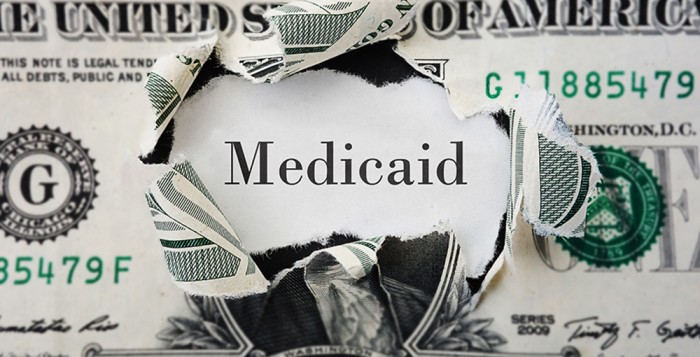
Pennsylvania is hoping to secure its own slice of a $50 billion rural health fund in the face of federal Medicaid cuts, with a focus on bolstering a beleaguered workforce and expanding health access for more than two million people.

The Rural Health Transformation Fund was a last-minute addition to President Donald Trump’s summer budget bill that imposed Medicaid work requirements and cut upwards of $51 billion in funding to the commonwealth over the next decade. That new fund is worth roughly 37% of the estimated lost Medicaid funding in rural areas

The 67-page application requests up to $200 million in annual funding over the next five years, totaling $1 billion. Its six focuses include: technology and infrastructure, workforce, maternal health services, behavioral health services, aging and access, and emergency medical services and transportation.

The U.S. Department of Human Services is expected to award funding by the end of the year.

Key objective targets are:

  • Access to care: More than 85% of Pennsylvanians can get a routine primary care appointment within four weeks and urgent care appointments within one week.
  • Digital connectivity and telehealth: More than 85% of rural hospitals and clinics will have broadband and telehealth functionality. More than 50% of rural hospitals and clinics connected via Fast Healthcare Interoperability Resources.
  • Workforce adequacy: Reduce rural hospital vacancy rates by 10% for key direct care roles. Add three new rural training programs.
  • System sustainability: More than 60% of systems partnered with rural Community Health Centers for specialty care.
  • Health outcomes: Reduce the number of pregnant women living in rural areas with inadequate prenatal care by 20%.

From the PA Rural Health Transformation (RHT) Program Application:

Pennsylvania’s rural health transformation strategy is grounded in a balance of statewide coordination and regional leadership and collaboration. Pennsylvania’s “Health Hub” state agencies (Human Services, Health, Aging, Insurance, Drug and Alcohol Programs), and other partner agencies will establish clear strategic priorities focusing on access, workforce, maternal health, aging, behavioral health, EMS and infrastructure. Pennsylvania will leverage statewide technical expertise, evaluation, and financial oversight and support. Strong regional rural care collaborative will be composed of a roster of regional stakeholders that prioritize local needs, develop effective local sustainable solutions, and leverage existing resources and assets.

Pennsylvania will leverage established regional entities that coordinate regional economic development. These Partnerships for Regional Economic Performance (PREP) organizations are long-standing, quasi-governmental organizations that convene regional stakeholders, administer federal and state grants, collect local data, report outcomes, and catalyze public and private partnerships for regional economic development. They bring established governance structures, convening power, and a track record of successful cross-sector collaboration. PREPs (Figure 2) will convene regional stakeholders to create Rural Care Collaborative (RCCs) to align initiatives with regional economic planning and development – making the RHTP investments sustainable and promoting long-term partnerships.


If you have any questions, please contact RCPA COO and Mental Health Policy Director Jim Sharp.

The Rehabilitation and Community Providers Association Political Action Committee (RCPA PAC) is asking members to consider making a personal contribution to the PAC. With these donations, we have been successful in supporting legislative leadership who understand the severe challenges facing many of our providers. These representatives are willing to stand up for our issues as we fight to move Pennsylvania forward.

We urge you to view our 2025 Legislative & Administrative Priorities to see how RCPA is working, and will continue to work, for you. We are able to achieve these goals thanks to our members’ dedication and contributions.

Make an online contribution and advocate for yourself today. While the request is voluntary, we encourage you to make a contribution of $100, $250, $350, $500, or more to the RCPA PAC. If you are interested, you can also consider making a recurring monthly donation.

If you have any questions regarding the RCPA PAC or making a donation, please contact Jack Phillips, Director, Government Affairs.

0 3608

Governor Josh Shapiro and members of the General Assembly have agreed to a $50.1 billion budget for the 2025/26 Fiscal Year. This is $2.3 billion more than last year’s budget but less than the Governor’s $51.5 billion proposed budget. The budget includes a $105 million increase in basic education, $665 million for highway improvements, and $1 billion for highway maintenance.

For Human Services, the General Budget bill includes the following increases from 2024/25 to the 2025/26 budget:

  • Medical Assistance – Capitation: +3.5%
  • Medical Assistance – Fee For Service: +.4%
  • Medical Assistance for Workers with Disabilities: +12.3%
  • Medical Assistance – Transportation: +5.9%
  • Medical Assistance – Long-Term Living: +4.7%
  • Medical Assistance – Community Health Choices: +10.7%
  • Long-Term Managed Care: +6.8%
  • Intellectual Disabilities – Community Base Program: +4.4%
  • Intellectual Disabilities – Intermediate Care Facilities: +2.9%
  • Intellectual Disabilities – Community Waiver Program: +6.1%
  • Autism Intervention Services: +12.9%
  • Early Intervention: 7.1%

The following lines have been flatlined or cut between the 2024/25 and 2025/26 budgets:

  • Behavioral Health Services: 0.0%
  • Mental Health Services: -1.9%
  • Intellectual Disabilities State Centers: -5.2%

Please find the entire 2025/26 Budget spreadsheets here.

Additionally, in other Code bills, $20 million was appropriated for county-based mental health funding, and the Four Walls payment issue was resolved in the human services code bill by abrogating 1153.15(6) and 1223.14(11) from 55 Pa. Code.

RCPA will continue to update members as more information from the budget is available. We will discuss the budget in detail during the Government Affairs meeting next Thursday, November 20, 2025. You can register for the meeting here.

Contact Jack Phillips with any questions.

0 695
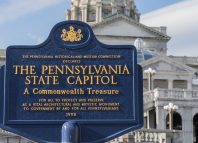
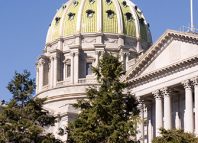
Harrisburg, USA - May 24, 2017: Pennsylvania capitol interior dome colorful ceiling in city with American Flags

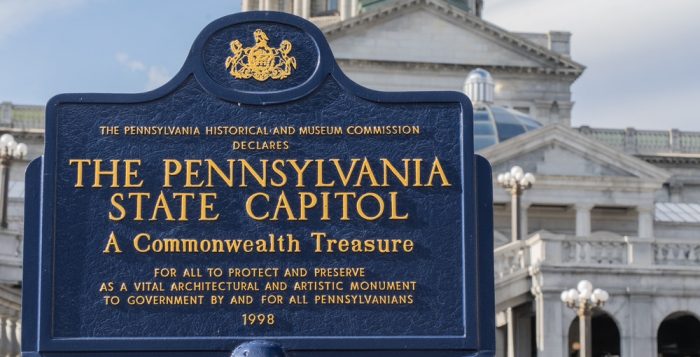
The planned protest of the state budget impasse for Tuesday, November 18, on the Capitol steps has been cancelled, as Governor Josh Shapiro and members of the General Assembly have agreed to a $50.1 billion budget for the 2025/26 Fiscal Year. This is $2.3 billion more than last year’s budget but less than the Governor’s $51.5 billion proposed budget.

0 1182

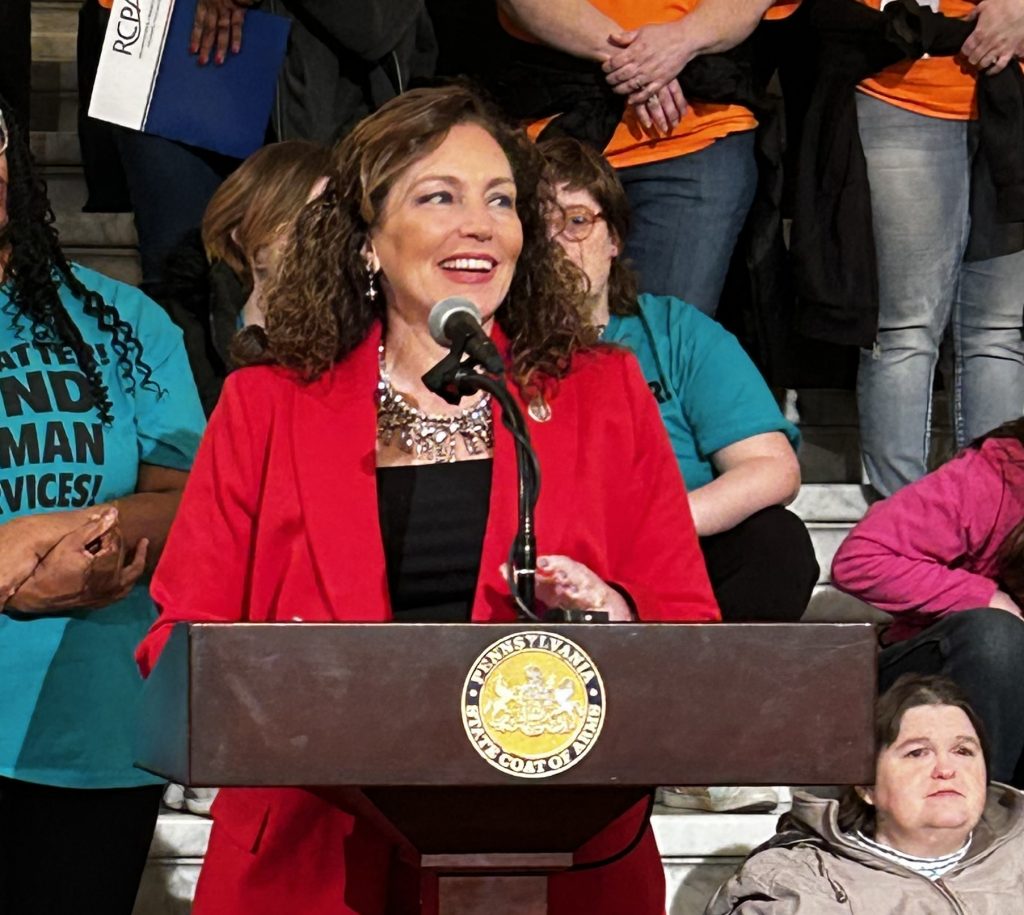
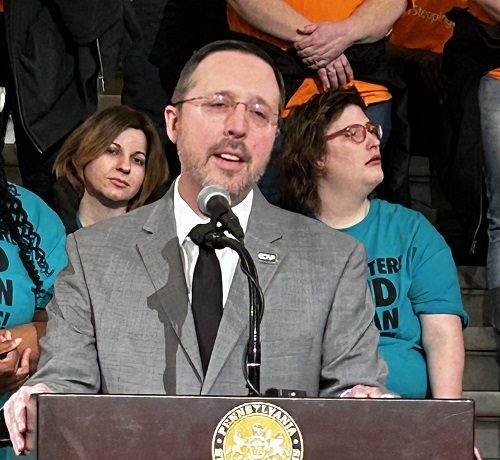
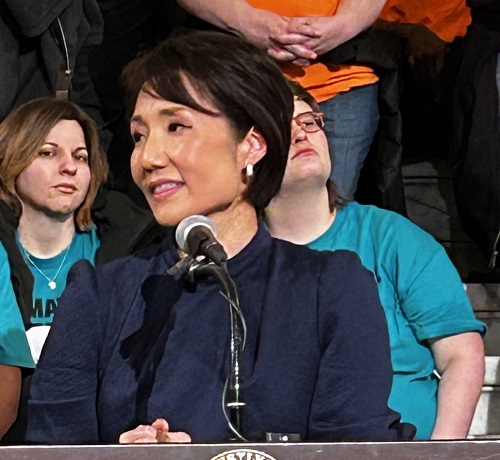
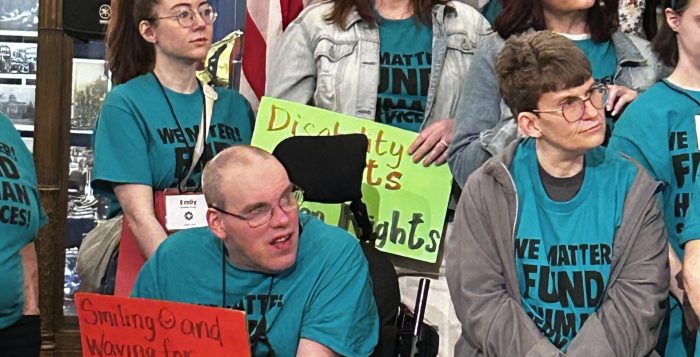
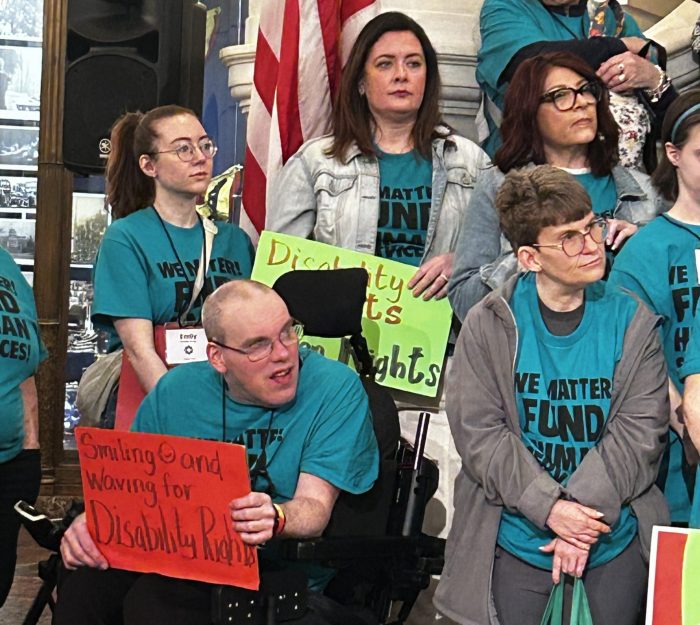
A large stakeholder advocacy group is planning to protest the state budget impasse at 12:00 pm on Tuesday, November 18, on the Capitol steps in Harrisburg. Although the group was originally convened to focus on behavioral health, they are encouraging all groups impacted by the impasse to join, as it continues to affect people, programs, and organizations far beyond behavioral health.

As someone with a vested interest in passing the budget, you are encouraged to attend the protest, share this invitation widely, and rally your networks and anyone affected by this issue.

Contact Kathy Quick, Executive Director of the Pennsylvania Mental Health Consumers Association, for more information. If the budget passes before November 18, the event will be canceled.

0 2998

Pennsylvania held its elections Tuesday, November 4, 2025, with local elections and the PA Supreme Court taking center stage. The results were called before midnight, with Democratic Supreme Court Justices Christine Donohue, Kevin Dougherty, and David Wecht retaining their seats. The trio were elected in 2015 and will continue to serve for another 10 years; however, Supreme Court Justice Donohue will hit mandatory retirement age in 2027.

Other key elections included Harrisburg’s mayoral election, Pittsburgh’s mayoral election, the retention of Judge Michael Wojcik on Commonwealth Court, and the retention of Judge Alice Dubow on Superior Court. To see full results, visit here.

The Pennsylvania Department of Human Services is launching Human Services Helpers, a Substack that will cover updates on DHS programs, news from the agency, and how organizations and partners can help their communities. Specifically, as DHS implements changes required by the federal government under HR1, Human Services Helpers will share resources and tips to help Pennsylvanians affected by these changes understand what is happening and what they must do to keep their benefits. News on the federal government shutdown and its impact on programs like SNAP and LIHEAP will also be shared through this platform.

Sign up for updates today and be a helper for PA!

Please contact your respective RCPA Policy Director with any questions.