








';
Representative Tim Briggs has scheduled a voting meeting for January 27, 2026, at 10:00 am to review amendments to HB 2042, known as the Safety in Youth Sports Act, which established standards for managing concussions and traumatic brain injuries of students participating in athletic activities.
Representative Briggs introduced HB 2042 in 2011. This meeting will include discussion about proposed amendments to the original bill which will expand the scope of this Act to further provide for the proper management of brain injuries. The amendments include non-scholastic league and recreational sports and also provide information on Return to Learn. Representative Briggs will also be incorporating this bill into the Pennsylvania Consolidated Statutes so that it is no longer a freestanding act.
The meeting will be held in Room 205 in the Ryan Office Building and will be livestreamed from the House Committee website.
Congressman Brett Guthrie, Chairman of the House Committee on Energy and Commerce, and Congressman Morgan Griffith, Chairman of the Subcommittee on Health, recently announced a hearing “Legislative Proposals to Support Patient Access to Medicare Services.”
This Subcommittee on Health hearing will be held on January 8, 2026, at 10:15 am to discuss legislation focused on improving Medicare payment policies and expanding access to care for seniors.
The hearing will focus on the following bills:
The hearing will be open to the public as well as livestreamed. Questions about the hearing should be directed to Annabelle Huffman.
Under new federal rules, to keep or become eligible for SNAP benefits, some recipients will have to meet work requirements that include working, volunteering, or participating in an education or training program for at least 20 hours a week (or 80 hours each month) AND report that they are meeting these work requirements.
To help SNAP recipients and applicants find out if they need to meet this requirement, the Pennsylvania Department of Human Services (PA DHS) has launched a new online screening tool.
By answering a simple set of yes or no questions, SNAP applicants and recipients can find out if they need to meet the work requirements, if they are already meeting the work requirements, or if they are eligible for an exemption.
The screening tool is not a final determination of whether someone is meeting the work requirements or is eligible for an exemption, but it can help recipients and applicants have a more informed conversation with their caseworker.
The new work requirements will apply to Pennsylvanians who:
In addition, being a veteran or a current or former foster youth age 18–24 will no longer be an exemption.
Some people may still be exempt from work and reporting requirements if they meet a different exemption. You can learn more about these work reporting requirements, who they affect, and more about exemptions at DHS’s website.
State Budget Investments Help Fight Food Insecurity
Pennsylvania’s charitable food network and our agricultural community are vital to keeping our neighbors and communities fed. Governor Shapiro’s 2025/26 budget delivers major investments to combat hunger, strengthen the charitable food network, and support Pennsylvania farmers. The budget includes a historic $11 million increase for food security, including:
Help Us Spread the Word
PA DHS has developed a communications toolkit to help Pennsylvanians understand the changes happening to SNAP.
We ask RCPA members, advocates, and stakeholders to view and share the toolkit, which includes sample text, social media posts, and more.
From Pennsylvania Capital-Star “Pa.’s Rural Health Application Reveals Priorities in Federal Funding Request,” November 20, 2025:
Pennsylvania is hoping to secure its own slice of a $50 billion rural health fund in the face of federal Medicaid cuts, with a focus on bolstering a beleaguered workforce and expanding health access for more than two million people.
The Rural Health Transformation Fund was a last-minute addition to President Donald Trump’s summer budget bill that imposed Medicaid work requirements and cut upwards of $51 billion in funding to the commonwealth over the next decade. That new fund is worth roughly 37% of the estimated lost Medicaid funding in rural areas…
The 67-page application requests up to $200 million in annual funding over the next five years, totaling $1 billion. Its six focuses include: technology and infrastructure, workforce, maternal health services, behavioral health services, aging and access, and emergency medical services and transportation.
The U.S. Department of Human Services is expected to award funding by the end of the year.
Key objective targets are:
From the PA Rural Health Transformation (RHT) Program Application:
Pennsylvania’s rural health transformation strategy is grounded in a balance of statewide coordination and regional leadership and collaboration. Pennsylvania’s “Health Hub” state agencies (Human Services, Health, Aging, Insurance, Drug and Alcohol Programs), and other partner agencies will establish clear strategic priorities focusing on access, workforce, maternal health, aging, behavioral health, EMS and infrastructure. Pennsylvania will leverage statewide technical expertise, evaluation, and financial oversight and support. Strong regional rural care collaborative will be composed of a roster of regional stakeholders that prioritize local needs, develop effective local sustainable solutions, and leverage existing resources and assets.
Pennsylvania will leverage established regional entities that coordinate regional economic development. These Partnerships for Regional Economic Performance (PREP) organizations are long-standing, quasi-governmental organizations that convene regional stakeholders, administer federal and state grants, collect local data, report outcomes, and catalyze public and private partnerships for regional economic development. They bring established governance structures, convening power, and a track record of successful cross-sector collaboration. PREPs (Figure 2) will convene regional stakeholders to create Rural Care Collaborative (RCCs) to align initiatives with regional economic planning and development – making the RHTP investments sustainable and promoting long-term partnerships.
If you have any questions, please contact RCPA COO and Mental Health Policy Director Jim Sharp.
Governor Josh Shapiro and members of the General Assembly have agreed to a $50.1 billion budget for the 2025/26 Fiscal Year. This is $2.3 billion more than last year’s budget but less than the Governor’s $51.5 billion proposed budget. The budget includes a $105 million increase in basic education, $665 million for highway improvements, and $1 billion for highway maintenance.
For Human Services, the General Budget bill includes the following increases from 2024/25 to the 2025/26 budget:
The following lines have been flatlined or cut between the 2024/25 and 2025/26 budgets:
Please find the entire 2025/26 Budget spreadsheets here.
Additionally, in other Code bills, $20 million was appropriated for county-based mental health funding, and the Four Walls payment issue was resolved in the human services code bill by abrogating 1153.15(6) and 1223.14(11) from 55 Pa. Code.
RCPA will continue to update members as more information from the budget is available. We will discuss the budget in detail during the Government Affairs meeting next Thursday, November 20, 2025. You can register for the meeting here.
Contact Jack Phillips with any questions.

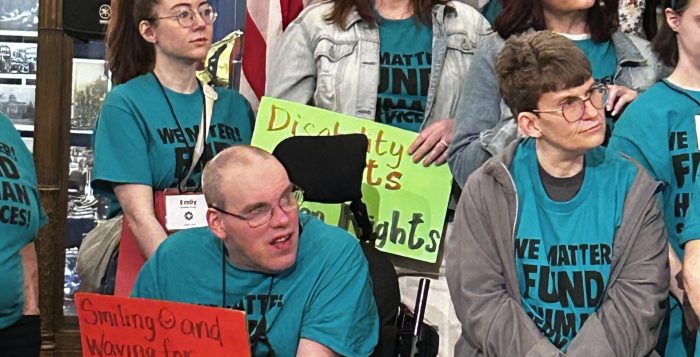
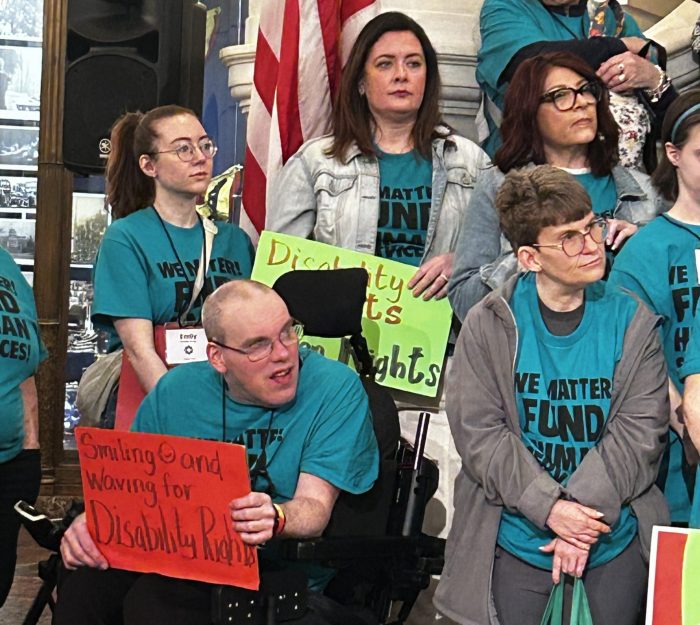
The planned protest of the state budget impasse for Tuesday, November 18, on the Capitol steps has been cancelled, as Governor Josh Shapiro and members of the General Assembly have agreed to a $50.1 billion budget for the 2025/26 Fiscal Year. This is $2.3 billion more than last year’s budget but less than the Governor’s $51.5 billion proposed budget.