';
Children's Services

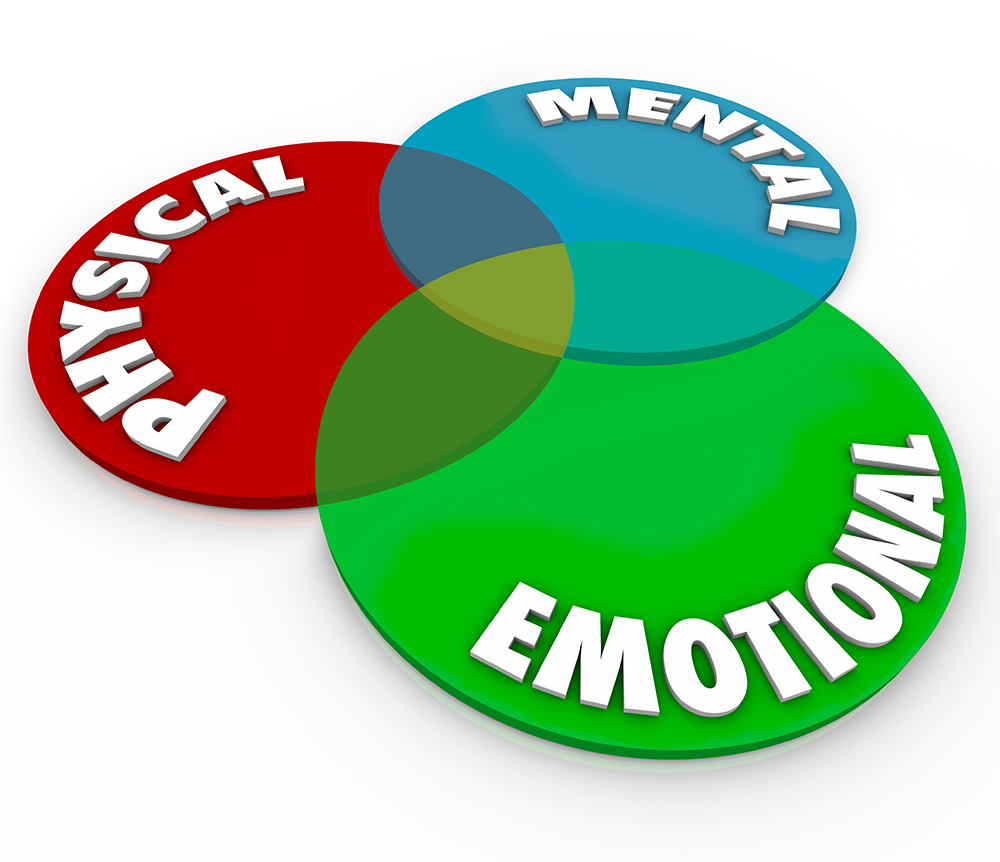
Physical, Mental and Emotional words on a venn diagram to illustrate total balance of mind, body and soul or spirit health and wellbeing

As the behavioral health field continues to move in the direction of integration efforts with physical health, RCPA is embarking on a series of discussions/webinars for 2023. Specifically, to inform our members, we want an open discussion on a range of topics such as:

  • Best practices in integration of care and current successes;
  • Clinical and financial implications;
  • Payer and provider vantage points;
  • How managed care models can evolve to support this effort and overcome barriers;
  • Future innovations;
  • Regulatory reform needed; and
  • Standards, consistency, accountability, and meaningful VBP models.

We would envision speakers from the BH-MCOs, Counties and primary contractors, legislators, providers, the administration, national groups (e.g., National Council, other states), and others.  This would culminate in a discussion at the RCPA Annual Conference in October.

We want the discussion to be an interesting and thought-provoking dialogue and to bring in speakers from a number of perspectives. We hope you will join in the discussion, and information on our first presentation will be coming out shortly. Please contact RCPA if you have ideas for topics or presenters as well.

The sustained funding of community-based mental health services, such as community residential programs, family-based support, outpatient care, and crisis intervention, are critical to the wellbeing of our constituents and our communities. Funding levels for county mental health services have direct impacts on whether these important community and family supports will be available. Yet for too many years, state funding for mental health services has lagged far behind its needs. Counties find themselves advocating for the prevention of funds being cut instead of achieving the increases that are needed to catch up from years of underfunding.

This week’s letter of advocacy, sent on behalf of the Coalition, stands as an open call to the PA General Assembly and stakeholders. As we await Governor Shapiro’s budget address, the “Time is Now” for action to sustain the funding of community-based mental health services and to create the legislation to move on the allocation of the $100 million dollars in funding as outlined by the Pennsylvania Behavioral Health Commission.

The Coalition is open to all new partners to join our mission of advocacy for this 2023–24 initiative, as the time to act is now for engaging with your representative. The Coalition will also be developing an advocacy toolkit for members to come together to sustain the safety net and serve those who need it most. The reality is that the demand for service far outweighs capacity and rate structures to serve this population.

If you have additional questions or would like to join the Mental Health Safety Net Coalition, please contact RCPA Policy Director Jim Sharp.

As part of the Centers for Medicare & Medicaid Services’ (CMS) ongoing efforts to provide up-to-date information to prepare for the end of the Public Health Emergency (PHE) for COVID-19, expected on May 11, 2023, we are providing a new overview fact sheet on CMS Waivers, Flexibilities, and the Transition Forward from the COVID-19 Public Health Emergency. COVID-19 efforts have been a significant priority for the current administration, and with the use of whole-of-government approach, the country is in a better place. Over the next several months, CMS will work to ensure a smooth transition back to normal operations.

The fact sheet provides clarity on several topics, including:

  • COVID-19 vaccines, testing, and treatments;
  • Telehealth services; and
  • Health care access.

There are several telehealth flexibilities listed within the document, including the continuation of virtual supervision to the end of the calendar year. See below for an excerpt from CMS’ PHE release:

Virtual Supervision

To allow more people to receive care during the PHE, CMS temporarily changed the definition of “direct supervision” to allow the supervising health care professional to be immediately available through virtual presence using real-time audio/video technology instead of requiring their physical presence. CMS also clarified that the temporary exception to allow immediate availability for direct supervision through virtual presence also facilitates the provision of telehealth services by clinical staff “incident to” the professional services of physicians and other practitioners. This flexibility will expire on December 31, 2023.

What is missing is guidance around the intersect of telehealth and the prescribing of buprenorphine as directed under the Ryan Haight Act of 2008. As part of the CMS Physicians Fee Schedule of 2023, CMS was in the process of writing language extending this as a flexibility. To date, there has been no guidance, though RCPA continues its advocacy efforts with the National Council for Mental Wellbeing, as well as state and federal stakeholders.

Photo by Kane Reinholdtsen on Unsplash

The 2023 RCPA Conference, which will be celebrating our 10-year anniversary as a leader in shaping policy and enhancing lives, will be held October 10 – 13 at the Hershey Lodge for a statewide audience. The Conference Committee is seeking workshop proposals in every area for possible inclusion, particularly those that assist providers in developing and maintaining high-quality, stable, and effective treatments, services, and agencies in an industry where change is constant. The committee looks for presentations that:

  • Highlight new policy, research, and treatment initiatives, such as telehealth innovations, suicide prevention, and employing people with disabilities;
  • Provide specific skills and information related to individual and organizational leadership development and enhancement;
  • Discuss advanced ethics practices;
  • Address system changes that affect business practices, including integrated care strategies, value-based purchasing, acquisitions/mergers, and alternative payment models;
  • Provide guidance on building a culture of a committed workforce, including recruitment and employee development as well as effective remote workforce strategies;
  • Offer concrete skills and tools to operate more efficient, effective agencies; and
  • Inspire ideas for organizations to be leaders in their field.

The committee welcomes any proposal that addresses these and other topics essential to rehabilitation, mental health, substance use disorder, children’s health, aging, physical disabilities, and intellectual/developmental disabilities & autism. Members are encouraged to consider submitting and to forward this opportunity to those who are exceptionally good speakers and have state-of-the-art information to share.

The Call for Proposals (featuring a complete listing of focus tracks) and accompanying Guidelines for Developing Educational Objectives detail requirements for submissions. The deadline for submissions is Monday, March 13, 2023, at 5:00 pm. Proposals must be submitted electronically on the form provided; confirmation of receipt will be sent. Proposals submitted after the deadline will not be considered.

If the proposal is accepted, individuals must be prepared to present on any day of the conference. Workshops are 90 or 180 minutes in length. At the time of acceptance, presenters will be required to confirm the ability to submit workshop handouts electronically four weeks prior to the conference. Individuals unable to meet this expectation should not submit proposals for consideration.

Individuals are welcome to submit multiple proposals. Notification of inclusion will be made via email by Friday, May 12, 2023. Questions may be directed to Carol Ferenz, Conference Coordinator.


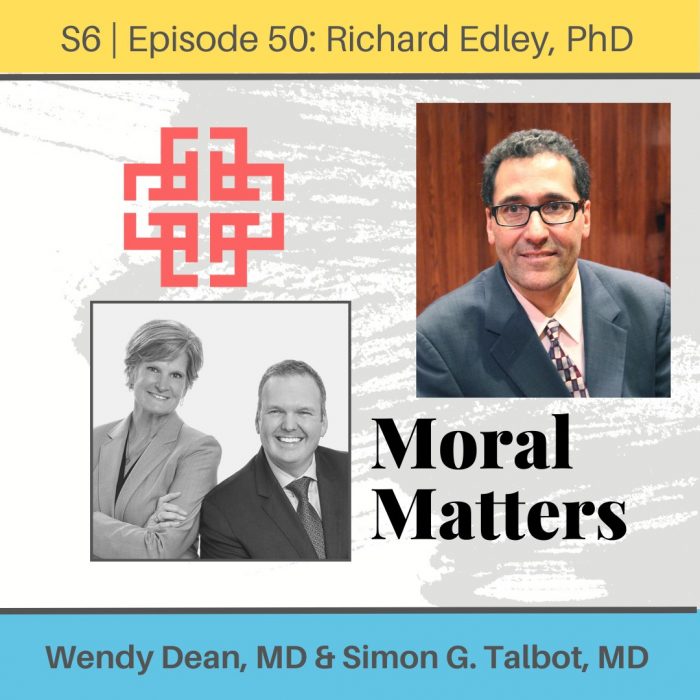
The Moral Matters podcast recently discussed “Lobbying for Good” with Richard Edley, PhD, who is a psychologist and current President/CEO of RCPA, an advocacy and lobbying organization in Pennsylvania that supports community health and human services organizations. He shares his journey to this career, and why we should all learn more about how lobbyists — and even political action committees — might be acting on our behalf. Listen to the podcast here.

As the Federal Public Health Emergency unwinds, more than a million Pennsylvanians on the Medicaid rolls will have their eligibility determinations reviewed. RCPA has been a part of the MA/CHIP Watch Group, an advocacy partnership focused on this process for children and families to ensure coverage for services. The partnership is a group of Pennsylvania health, law, and policy advocates who work directly with and on behalf of Medical Assistance (MA) and Children’s Health Insurance Program (CHIP) enrollees. For approximately one year, the group has been meeting regularly with DHS staff to discuss DHS’ plans to resume regular operations when the federal provision for continuous coverage, put into place in March 2020 at the onset of the COVID-19 pandemic by the Families First Coronavirus Response Act (FFCRA), ends.

DHS has an unprecedented task ahead: conducting MA eligibility checks for an estimated 1.1 million MA enrollees, who either no longer appear to be eligible or have overdue renewals. The group remains very concerned about the enormous administrative workload the County Assistance Offices (CAOs) will face when redetermining eligibility for this large volume of cases while resuming regular operations after three years, and how that is likely to translate into individuals losing coverage, though remaining eligible.

Recently, the group presented a letter of recommendations to DHS Secretary Dr. Val Arkoosh outlining these concerns and pathways to ensure transitional care and coverage for children. Additionally, RCPA in their meetings with DHS continues its advocacy and support for the recommendations outlined in the letter to Secretary Arkoosh.

The sustained funding of community-based mental health services, such as community residential programs, family-based support, outpatient care, and crisis intervention, are critical to the wellbeing of our constituents and our communities. Funding levels for county mental health services have direct impacts on whether these important community and family supports will be available. Yet for too many years, state funding for mental health services has lagged far behind its needs. Counties find themselves advocating for the prevention of funds being cut instead of achieving the increases that are needed to catch up from years of underfunding.

This year, RCPA and other system stakeholders once again teamed with the County Commissioner Association of Pennsylvania (CCAP) through the Mental Health Safety Net Coalition. The mission and vision of this campaign continues to promote awareness of the critical funding needs of mental health services for vulnerable Pennsylvanians. As RCPA and the Mental Health Safety Net Coalition continue our efforts, we ask our members, stakeholders, and partners to join us in this collaborative effort by engaging with your legislators. “County mental health services provide a critical piece to the public safety net for people in need,” notes Richard S. Edley, PhD, President and CEO of RCPA. “The system sustained cuts over a decade ago with little relief since then. It is time to restore those dollars and further enhance the system. Not only will it provide critical funding for the individuals receiving services, but there are positive benefits — both financially and clinically — to the entire community.”

The Coalition welcomes the many new partners for this 2023–24 initiative, as the time to act is now for engaging with your representative. Local communities and providers have come together to sustain the safety net and serve those who need it most. The reality is that the demand for service far outweighs capacity and rate structures to serve this population.

View our first of many communications that will go out on behalf of the Coalition as an open call to the PA General Assembly and stakeholders. This will provide you with strategic talking points for our outreach. If you have additional questions or would like to join the Mental Health Safety Net Coalition, please contact RCPA Policy Director Jim Sharp.