



Advance Rates for NatCon26 End March 12


RCPA has been a long-time partner of the Center for Health Care Strategies (CHCS), a policy design and implementation organization devoted to improving outcomes for people enrolled in Medicaid. Our collaborative efforts across the arena of Medicaid and the pending impacts of HR 1 remain a critical connection point to ensure access in Pennsylvania.
On behalf of CHCS, RCPA would like to share this update on resources related to the Rural Health Transformation Project. Per the update:
The federal Rural Health Transformation Program (RHTP), authorized under the 2025 budget reconciliation act (P.L. 119-21), will distribute $50 billion to all 50 states from 2026 to 2030 — serving as a partial offset to Medicaid cuts. In designing and launching RHTP plans, state agencies must meet ambitious federal expectations and timelines. Experiences from other large-scale statewide efforts — such as the American Rescue Plan Act, Opioid Settlement Funds, multisector plans for aging (MPA), and the Centers for Medicare & Medicaid Services’ (CMS) State Innovation Models (SIM) demonstration — can help inform state planning.
This brief provides practical recommendations to help states establish the administrative infrastructure needed to implement their RHTP plans. Drawing on insights from state officials involved with similar transformation efforts, as well as the Center for Health Care Strategies’ (CHCS) experience supporting this work, the brief highlights best practices and common pitfalls across four core domains:
While not exhaustive, this brief outlines practical lessons that state staff can use to guide RHTP activities during the critical first six to nine months of program design and implementation, helping states build a strong foundation for long-term success.
Additionally, CHCS published a series of tip sheets to aid stakeholders in exploring strategies and initiatives within the project. The tip sheets offer resources for strengthening rural health, including workforce and access issues.
If members have any questions regarding this update or the Rural Health Transformation Plan, please contact RCPA COO Jim Sharp.
RCPA continues to seek proposals for the 2026 Annual Conference Power in Purpose: Promoting Possibilities, which will be held September 29 – October 2 at the Hershey Lodge for a statewide audience. RCPA’s Conference Committee is looking for workshop proposals in every area for possible inclusion, particularly those that assist providers in developing and maintaining high-quality, stable, and effective treatments, services, and agencies in an industry where change is constant. The committee looks for presentations that:
 Highlight new policy, research, and treatment initiatives, such as the use of artificial intelligence and technology in service provision;
The committee welcomes any proposal that addresses these and other topics essential to brain injury, medical rehabilitation, mental health, substance use disorder treatment, children’s health, aging, physical disabilities, autism, and/or intellectual/developmental disabilities. Members are encouraged to consider submitting, and we highly encourage you to forward this opportunity to those who are exceptionally good speakers and have state-of-the-art information to share.
The Call for Proposals (featuring a complete listing of focus tracks) and accompanying Guidelines for Developing Educational Objectives detail requirements for submissions. The deadline for submissions is COB Monday, March 23, 2026. Proposals must be submitted electronically with the form provided; confirmation of receipt will be sent. Proposals submitted after the deadline may not be considered.
 If the proposal is accepted, individuals must be prepared to present on any day of the conference. Workshops are 90 minutes in length. If the topic requires an in-depth presentation, a double session can be scheduled for a total of 180 minutes. At the time of acceptance, presenters will be asked to confirm the ability to submit workshop slides and handouts electronically two weeks prior to the conference. Individuals unable to meet this expectation may not have their materials available to participants during the conference.
Individuals are welcome to submit more than one proposal; however, we ask that you submit no more than three total. Notification of inclusion for the conference will be made via email by Monday, May 11, 2026. Questions may be directed to Carol Ferenz, Conference Coordinator.
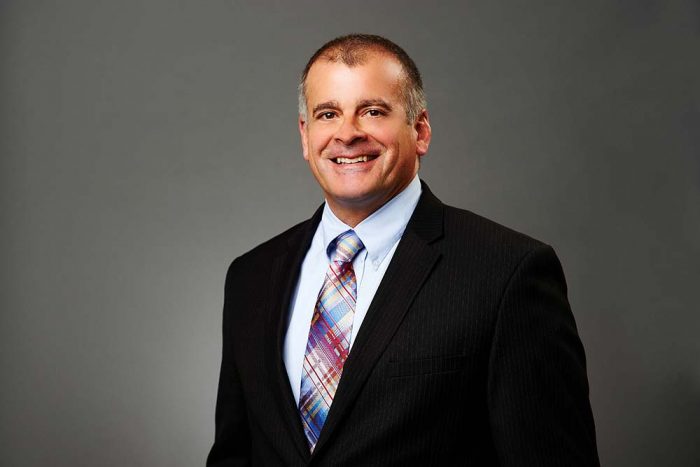
Devereux is thrilled to announce that President and CEO Carl E. Clark II was recently elected chair of the Greenleaf Center for Servant Leadership Board of Trustees.
Clark was elected to a one-year term (Jan. 1–Dec. 31, 2026), having served as an active member of the Board since 2019. The Greenleaf Center for Servant Leadership is a nonprofit organization whose mission is to advance the awareness, understanding and practice of Servant Leadership by individuals and organizations.
“I am honored to be elected chair of Greenleaf’s esteemed Board of Trustees,” said Clark. “Since launching our Servant Leadership initiative in 2018, Devereux has created an enhanced work environment that empowers team members to share ideas that benefit the individuals and families we serve and our overall organization. In my new role, I look forward to helping advance Greenleaf’s mission, grow its impact and ensure Servant Leadership remains a relevant and actionable model for leaders who want to build trust, develop others and serve with purpose.”
Greenleaf Executive Director Reginald “Reggie” Lewis noted, “Carl is a genuine believer! He truly embodies and lives by the principles of Servant Leadership – a leadership approach that places less of an emphasis on titles and positional authority to focus on the well-being of those served. Over the past several years, Carl has been instrumental in providing guidance on the Center’s efforts to redesign its consultative services to better assist organizations across sectors striving to improve workplace culture and achieve greater societal impact.”
Building on Greenleaf’s legacy
As chair of the Greenleaf Board, Clark will help guide the strategic vision and priorities of the longest, continuously operating Servant Leadership nonprofit organization in the world.
“Carl’s natural inclination to listen first makes him extremely approachable and an ideal thought partner,” Lewis shared. “He has consistently made himself available to advise and support our Center’s strategic direction. Our Board and staff enter this new year with enormous enthusiasm in anticipation of all the ways Carl will assist us in building on Greenleaf’s momentum to strengthen organizations around the country.”
Clark added, “I am committed to building on Greenleaf’s legacy while helping guide a strategic vision rooted in service and putting people first. Together, with my colleagues on the Board, we will continue to elevate Servant Leadership, strengthen its influence and drive meaningful, lasting change.”
About the Greenleaf Center for Servant Leadership
The Greenleaf Center for Servant Leadership was founded in 1964 by Robert K. Greenleaf. Servant Leadership is a philosophy and set of practices that enriches the lives of individuals, builds better organizations and ultimately creates a more just and caring world. While Servant Leadership is a timeless concept, the phrase “Servant Leadership” was coined by Greenleaf in his 1970 essay, The Servant as Leader. The Greenleaf Center for Servant Leadership programs include the Greenleaf Academy, Outside Engagements Portfolio, Next Generation Initiative, Greenleaf Scholars, Coffee with Webinar Series and Greenleaf Public Policy Lecture.
Learn more about Devereux.
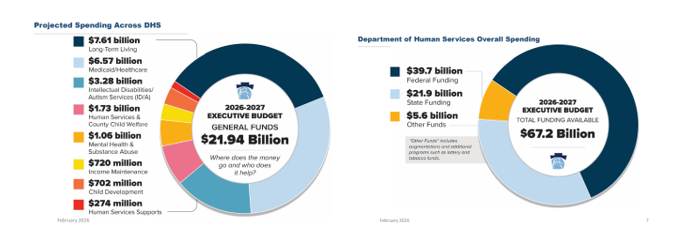
On Friday, February 6, Department of Human Services (DHS) Secretary Val Arkoosh presented an overview of Governor Shapiro’s proposed Fiscal Year (FY) 2026/27 budget and detailed the projected spending across DHS, which totals $21.94 billion in state funding. The Secretary highlighted that all three Medicaid managed care programs, as well as waiver programs for people with intellectual disabilities and autism, are receiving increases, largely driven by patient needs and costs associated with delivering care. The proposed FY 2026/27 budget includes $39.7 billion in federal funding as well as $5.6 billion from augmentations and additional programs, such as lottery and tobacco funds, making the total DHS funding $67.2 billion.
The Secretary expressed how the proposed budget reflects the direct impacts of HR 1, with significant federal funding at risk. The distribution for the 2026/27 budget is based upon the current structure of Medicaid and other federally funded programs, but the Secretary noted that beginning in 2028, changes in Medicaid financing rules will remove $20 billion from Pennsylvania’s Medicaid program over the following decade.
Budget Highlights and Investments
Due to technical difficulties, DHS was unable to record the webinar, but the presentation slides and transcript can both be viewed.
Please contact your RCPA Policy Director with any questions or concerns.
The Office of Mental Health and Substance Abuse Services (OMHSAS) has announced that Psychiatric Rehabilitation Services (PRS) has been added to the Medical Assistance Program Fee Schedule, effective January 1, 2026.
On January 30, 2026, the Centers for Medicare & Medicaid Services approved the addition of PRS as a rehabilitative service to the Medicaid State Plan, leading to the issuance of OMHSAS-26-01, “Payment for Psychiatric Rehabilitation Services.” Prior to the inclusion in the Medicaid State Plan, PRS was available only to MA beneficiaries enrolled in Behavioral Health HealthChoices as an in lieu of service. PRS is now available as a state plan service to MA beneficiaries in the Fee-for-Service and Behavioral Health HealthChoices delivery systems.
The published bulletin OMHSAS-26-01 can be found here. Please contact RCPA COO and Mental Health Director Jim Sharp with any questions.

The Office of Mental Health and Substance Abuse Services (OMHSAS) will be hosting their Stakeholder Webinar on Thursday, February 12, 2026, from 3:00 pm – 4:00 pm. Please register for the webinar here. After registering, you will receive a confirmation email containing information about joining the webinar.
For those that want to join via phone:
Call-in Number: +1 (562) 247-8321
Audio Access Code: 385-114-169
The meeting agenda can be found here.

The Independent Regulatory Review Commission (IRRC) has released their comments on the proposed rulemaking for the Mental Health Procedures Act. The IRRC summarized the questions and concerns that were submitted by legislators, providers, and stakeholders during the public comment period and made recommendations for clarity. The Department of Human Services (DHS) must consider and respond to the IRRC’s comments and all comments submitted during the comment period as they prepare their final form regulations.
The majority of the comments were in regard to proposed “Section 5100.33. Patient’s access to records and control over release of records,” where commentors voiced concern of potential conflict with existing statutes. The IRRC also responded to the legislative comments from Rep. Doyle Heffley, Republican Chairman of the House Human Services Committee, who emphasized the importance of resolving the questions asked by providers and stakeholders.
Please contact RCPA Policy Associate Emma Sharp with any questions.
 Prev
Prev