




Early Bird Rates for NatCon 2026 End Today!



From Chaos to Clarity: The Definitive Client Engagement Case Study
Date: Wednesday, January 28, 2026
Time: 12:00 pm CST / 1:00 pm EST
Featuring: Eastern Shore CSB & Qualifacts
Visit Here to Register
Behavioral health organizations are under increasing pressure to do more with less — reduce avoidable rework, improve access to care, and deliver a better client experience without adding staff. In this case-study webinar, Eastern Shore Community Services Board (CSB) shares how they turned fragmented processes into a streamlined, measurable client engagement strategy.
By implementing Qualifacts’ Client Engagement solutions, Eastern Shore CSB modernized intake, communication, and follow-up workflows — keeping care moving, reducing delays, and improving operational clarity across the organization.
Join this webinar to hear directly from the team at Eastern Shore CSB as they walk through what changed, how it changed, and the tangible impact on day-to-day operations.
In this webinar, we will:
Featured Speakers
Stephen Hopkins
EHR Systems Administrator, Eastern Shore CSB
Stephen has been with Eastern Shore CSB for eight years and manages all EHR configuration, reporting, virtual care, and client engagement solutions. With a background in Information Technology, he has successfully led the organization’s use of Credible and Credible Client Experience Solutions — driving meaningful improvements in portal adoption, engagement, and telehealth delivery.
Sarah Taylor, RN
Product Specialist II, Qualifacts
Before joining Qualifacts, Sarah spent 16 years as a registered nurse supporting mental health clients across emergency, crisis stabilization, and in-home care settings. She brings hands-on clinical experience and deep implementation expertise to her role, helping organizations maximize the value of Qualifacts’ EHR and client engagement platforms.

Thursday, January 22, 2026
3:00 pm – 4:00 pm ET; 2:00 pm – 3:00 pm CT;
1:00 pm – 2:00 pm MT; 12:00 pm – 1:00 PT
Register Here
You asked, and we listened! Based on attendee feedback, IPRC is offering a follow-up presentation to pair with the information presented on January 6, 2026. This webinar will provide information on the new Disorders of Consciousness Program Standards in greater detail.
Please join us as IPRC again hosts special guest Terry Carolan from CARF International to explain the new Disorders of Consciousness Program Standards.
Presenter Bio:
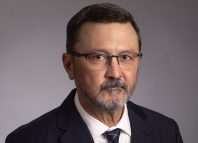
Terrence Carolan
Terrence Carolan, Managing Director of the Medical Rehabilitation and Aging Services accreditation areas at the Commission on Accreditation of Rehabilitation Facilities (CARF), has more than 20 years of experience as a provider, administrator, and educator in the human services field. Terry joined CARF after working in clinical and administrative leadership positions within Select Medical’s Inpatient Rehabilitation Division and the Kessler Institute for Rehabilitation since 2001. Terry was a CARF surveyor for 10 years and holds a degree in physical therapy from Simmons College in Boston. He also recently completed his master’s degree in business administration from the University of Wisconsin-Eau Claire.
Objectives: At the end of this session, the learner will:
Audience: This webinar is intended for all interested members of the rehabilitation team; attendees do not need to be CARF Certified in order to attend.
Level: Beginner-Intermediate
Certificate of Attendance: Certificates of attendance are available for all attendees. No CEs are provided for this course.


**On Thursday morning, the New York Times reported that the Substance Abuse and Mental Health Services Administration restored grant funding following pushback. This story was updated at 11:10 a.m. on Jan. 15, 2026.
Read article here.
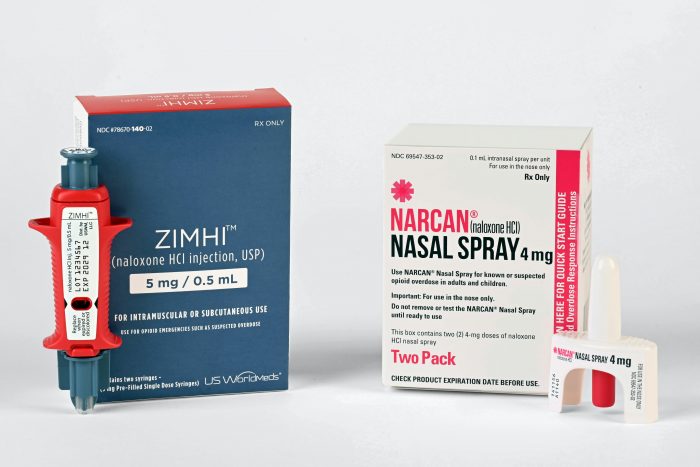
Yesterday, January 15, 2026, Governor Josh Shapiro, alongside Pennsylvania Department of Drug and Alcohol Programs Secretary Dr. Latika Davis-Jones and Department of Health Secretary Dr. Debra Bogen, led a roundtable discussion at Wyoming County Emergency Management Agency on efforts to save lives, prevent fatal overdoses, and support families struggling with substance use disorder. The visit followed the release of the Shapiro Administration’s Overdose Prevention Program Annual Report, which details significant progress in reducing overdose deaths across Pennsylvania.
Between October 2024 and September 2025, frontline organizations reported over 11,400 overdose reversals linked to naloxone distributed through the Administration’s initiative — representing thousands of lives saved through timely intervention. Early estimates show that in 2025, Pennsylvania saw the fewest overdose deaths in more than a decade.

Drexel University Behavioral Healthcare Education (BHE) will be hosting their second Annual One-Day Summit “Hot Topics: Trends and Challenges in Behavioral Healthcare,” on Friday, May 29, 2026, which will be held virtually via Zoom. The BHE team invites you to submit an abstract for a 60-minute workshop, which will consist of 50 minutes for the presentation and 10 minutes for questions and answers.
The deadline to submit proposals is Friday, February 27, 2026.
Please note: Although presenters will not be financially compensated for their presentations, all presenters are invited to attend the entirety of the summit, earning the maximum number of continuing education credits free of charge.
For more details and the proposal submission form, refer to the BHE Conferences website.

Thursday, January 22, 2026
3:00 pm – 4:00 pm ET; 2:00 pm – 3:00 pm CT;
1:00 pm – 2:00 pm MT; 12:00 pm – 1:00 PT
Register Here
You asked, and we listened! Based on attendee feedback, IPRC is offering a follow-up presentation to pair with the information presented on January 6, 2026. This webinar will provide information on the new Disorders of Consciousness Program Standards in greater detail.
Please join us as IPRC again hosts special guest Terry Carolan from CARF International to explain the new Disorders of Consciousness Program Standards.
Presenter Bio:
Terrence Carolan
Terrence Carolan, Managing Director of the Medical Rehabilitation and Aging Services accreditation areas at the Commission on Accreditation of Rehabilitation Facilities (CARF), has more than 20 years of experience as a provider, administrator, and educator in the human services field. Terry joined CARF after working in clinical and administrative leadership positions within Select Medical’s Inpatient Rehabilitation Division and the Kessler Institute for Rehabilitation since 2001. Terry was a CARF surveyor for 10 years and holds a degree in physical therapy from Simmons College in Boston. He also recently completed his master’s degree in business administration from the University of Wisconsin-Eau Claire.
Objectives: At the end of this session, the learner will:
Audience: This webinar is intended for all interested members of the rehabilitation team; attendees do not need to be CARF Certified in order to attend.
Level: Beginner-Intermediate
Certificate of Attendance: Certificates of attendance are available for all attendees. No CEs are provided for this course.
 Prev
Prev