




ODP April External Training and Events Calendar is Now Available



Join RCPA as we host the 2023 Annual Conference, A Decade of Unity: Enhancing Lives and Shaping the Future, October 10–13, at the Hershey Lodge. RCPA staff and the Conference Committee are excited to release this year’s Sponsors, Exhibitors, and Advertisers brochure, with new opportunities to get in on the action. Booth self-selection will be available for exhibitors and exhibiting sponsors. In order to be considered for self-selection, a completed contract with payment must be submitted.
Don’t miss your chance to be seen and to support the work of this dynamic organization at our 10 year anniversary! The event is a highlight for the Pennsylvania behavioral health, intellectual and developmental disabilities, children’s, brain injury, medical rehabilitation, and physical disabilities and aging provider communities.
Celebrate, Communicate, and Compete in Connections Hall
Exhibit activities take place during the two busiest days of the conference, with many networking opportunities throughout the event. You’ll also be able to compete and have a chance to win “Best of Show!”
Exciting New Sponsorship Opportunities
The association is privileged to have the backing of the finest organizations in the field for our conference. Through the use of sponsorship circles, RCPA is able to honor all supporting organizations.
Sign Up Now
Sponsors, exhibitors, and advertisers who wish to be listed on the website, the mobile app, and in the conference program must submit all materials by September 8. The association looks forward to welcoming you at the conference! Space and opportunities are reserved on a first-come, first-served basis, and no reservation is considered complete without payment. If questions remain, please contact Carol Ferenz, Conference Coordinator.

An announcement was issued today regarding the Bureau Director for the Bureau of Human Services Licensing (BHSL) for the Department of Human Services (DHS). The current Bureau Director, Jeanne Parisi, has accepted the Deputy Secretary position for Quality Assurance at the Department of Health, effective March 20, 2023. Brian MacDaid has been appointed Acting Bureau Director, also effective March 20, 2023. Brian has worked for the Commonwealth in DHS for the past 22 years and currently works for the Office of Long-Term Living (OLTL) in the Bureau of Quality Assurance and Program Analytics as the Director of the Quality Assurance Division.
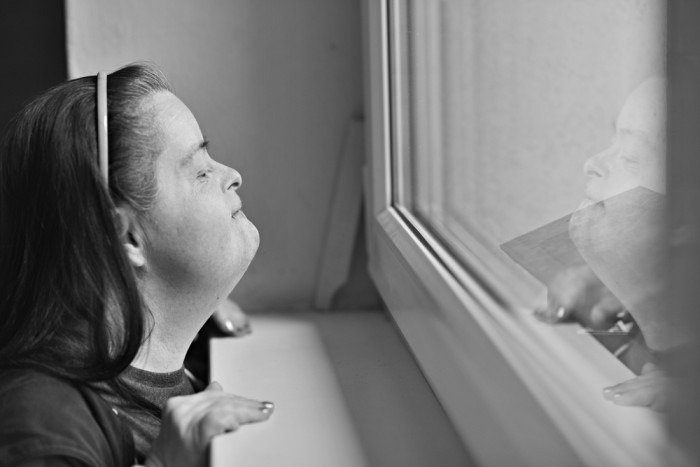


IPRC Webinar Transition Readiness: Strategies to Prepare Pediatric Patients and Their Families for the Next Steps
Thursday, April 6, 2023
12:00 pm – 1:00 pm EDT; 11:00 am – 12:00 pm CDT;
10:00 am – 11:00 am MDT; 9:00 am – 10:00 am PDT
REGISTER
Speakers and Panelists:
Carrie Cuomo, DNP, CPNP
Julie H. Corder, RN, MSN, CNP
Tim Flynn, PT
Kara M. Pickering, MA, CCC-SLP
Speaker Bios:
Carrie Cuomo
Carrie Cuomo, DNP, CPNP, is the Director of Advanced Practice Registered Nurse services in the Pediatric Institute at Cleveland Clinic. She is a clinical provider in the Department of Pediatric Hospital Medicine at Cleveland Clinic. Dr. Cuomo holds a Bachelor’s Degree in Nursing from Case Western Reserve University, a Master’s Degree from The University of Akron, and a Doctor of Nursing Practice Degree from The University of Akron. She has experience in teaching, nursing leadership, and clinical practice. She was a fellow in the Duke Johnson and Johnson Nurse Leadership program 2014–2015 and 2020–2021. Dr. Cuomo is a member of the National Association of Pediatric Nurses Practitioners and Ohio Association of Advanced Practice Nurses. She is a Co-Investigator on the Project IMPACTT grant sponsored by HRSA. She serves on the Advanced Practice Registered Nurse Council and the Advanced Practice Registered Nurse Preceptor Council. Dr. Cuomo’s professional interests are in the area of pediatric to adult transition.
Julie H. Corder
Julie H. Corder is a Pediatric Nurse Practitioner in the Pediatric Complex Care Clinic at the Cleveland Clinic. This multidisciplinary program cares for pediatric patients with multiple chronic conditions with a dependence on technology. A primary interest and passion for Julie is developing processes to ensure high level care for this population throughout their lifespan as they transition from pediatric to adult care. Julie holds a Bachelor’s Degree in Nursing from The University of Akron, a Master’s Degree in Nursing from Case Western Reserve University, and was a fellow in the Duke Johnson and Johnson Nurse Leadership program from 2020–2021. Julie is a member of the National Association of Pediatric Nurses Practitioners. She is a Co-Investigator on the Project IMPACTT grant sponsored by HRSA. She serves on the Advanced Practice Credentialing and Privileging Committee for the Cleveland Clinic.
Objectives:
At the end of this session, the learner will:
Audience: This webinar is intended for all members of the rehabilitation team, including medical staff, nurses, physical therapists, occupational therapists, speech language pathologists, licensed psychologists, mental health professionals, and other interested professionals.
Level: Intermediate
Certificate of Attendance: Certificates of attendance are available for all attendees. No CEs are provided for this course.
Registration: Registration is complimentary for members of IPRC/RCPA. Registration fee for non-members is $179. Not a member yet? Consider joining today. Multiple registrations per organization are permitted.


ODP Announcement 23-027 announces that the Residential Habilitation (Life Sharing) Ineligible Rate will be removed from the Adult Autism Waiver (AAW) effective July 1, 2023. The Office of Developmental Programs (ODP) is continuing to align the AAW with the other ODP waivers. This alignment includes the removal of procedure code W7234. This procedure code will be removed from HCSIS, and providers will be unable to bill this procedure code within PROMISe for dates of service on and after July 1, 2023.
For questions, please contact the appropriate ODP Bureau of Supports for Autism and Special Populations (BSASP) Regional Office.
ODP Announcement 23-026 announces the release of a new Adult Autism Waiver (AAW) Provider Resource Guide. The guide is available online.
Providers are responsible for compliance with all applicable regulations and requirements of the Office of Developmental Programs (ODP) services, as well as local, state, and federal regulations and laws applicable to the services provided.
The guide is designed as an online-only document with links to pertinent regulations, bulletins, communications, forms, websites, and other materials necessary to support AAW providers in the quality provision of services. The online format will allow ODP to update the guide in a timely manner as needed.
Please contact your ODP Bureau of Supports for Autism and Special Populations (BSASP) regional office with any questions.

UPMC Community HealthChoices (CHC) has released updated guidance for Personal Assistance Services (PAS) regarding record keeping and electronic visit verification (EVV) requirements. The guidance includes information about documentation and EVV requirements, as well as an extensive list of frequently asked questions (FAQs). View the full guidance and FAQ here.
 Prev
Prev