



National Council Seeks Participation in H.R. 1 Implementation Survey



Waiver 101: What is a Waiver, and What Does It Do?
December 4, 2025
5:30 pm – 7:00 pm
Register Here
The Office of Developmental Programs (ODP) invites individuals with intellectual disabilities and/or autism (ID/A) and their families to join in a virtual discussion with members of the Division of Policy and Program Innovation. These sessions are informal, meaning the conversation will not be recorded, and rules will be set before the session starts to ensure everyone feels comfortable and safe to provide questions and comments. The session will be held through Microsoft Teams.
Please note: This event is being held only for individuals and family members; this is not an event for someone who is only a professional.
What Will Be Covered?
ODP staff will provide an overview of the ID/A Centers for Medicaid and Medicare (CMS) waivers available in Pennsylvania. This session will consist of a brief history of ID/A services in PA, what ODP is, and how the “waivers” came to exist and their purpose. The session will also include time to explore the Department of Human Services’ (DHS) and ODP’s websites for this information.

Thank you for sharing these important workshops and support groups with your networks! Register for upcoming events at PA Family Network’s website.
Good Life Group, Support Groups
LifeCourse Workshops
Waiver Workshops

The Office of Developmental Programs (ODP) is sharing this important announcement from the PA Department of Health.
As of November 11, 2025, 15 infants with suspected or confirmed infant botulism were reported from 12 states: Arizona, California (2), Illinois (2), Kentucky, Minnesota, New Jersey, North Carolina, Oregon, Pennsylvania, Rhode Island, Texas (2), and Washington. Laboratory confirmation for some cases is ongoing. Illnesses started on dates ranging from mid-August to November 2025. All 15 infants were hospitalized and treated with BabyBIG®. No deaths were reported. Infants ranged in age from 16 to 157 days. State and local public health officials are interviewing caregivers about the foods infants were fed in the month before they got sick. All 15 (100%) reported feeding ByHeart Whole Nutrition infant formula. This investigation is ongoing, and additional cases may be identified.
All ByHeart Whole Nutrition Infant Formula products were recalled. This includes all unexpired lots of formula cans and single-serve “anywhere” sticks. The link to the recall can be found here.
According to the FDA, ByHeart Whole Nutrition Infant Formula makes up less than 1 percent of all infant formula sales in the United States. Given this small market share, recall of these products is unlikely to create shortage concerns of infant formula for parents and caregivers.
Summary:
For More Information


From Chaos to Clarity: How Human Service Leaders Bring Order to Oversight
Tuesday, December 9, 2025
12:00 pm ET
Register Here
Keeping up with inspections and licensing requirements can feel like an endless chase — especially when each site or program has its own system. Many organizations are finding new ways to bring structure, visibility, and calm to these responsibilities, even with limited resources.
Join us on Tuesday, December 9, 2025, at 12:00 pm ET for From Chaos to Clarity: How Human Service Leaders Bring Order to Oversight, a live webinar co-hosted by RCPA and PUPS Software. This session brings together leaders for an open, practical conversation about streamlining inspections, licensing, and operational readiness.
Featured Panelists:
We’ll talk about:
Whether your team is just getting started or already modernizing oversight, you will walk away with useful ideas, peer insights, and tools to support your next steps.


Evolving Legal Considerations of DEI: What Employers Need to Know
Thursday, November 20, 2025
12:00 pm – 12:30 pm
Register Here
About this event:
As the legal and political landscape continues to shift, employers are facing new pressure to balance inclusion goals with compliance requirements.
In this 30-minute live session, attorneys from Diversity Resources’ partner firm Epstein Becker Green will unpack what is changing, what remains protected, and how organizations can move forward with confidence.
You will gain from this webinar:
This session will not be recorded to allow for open, candid discussion.

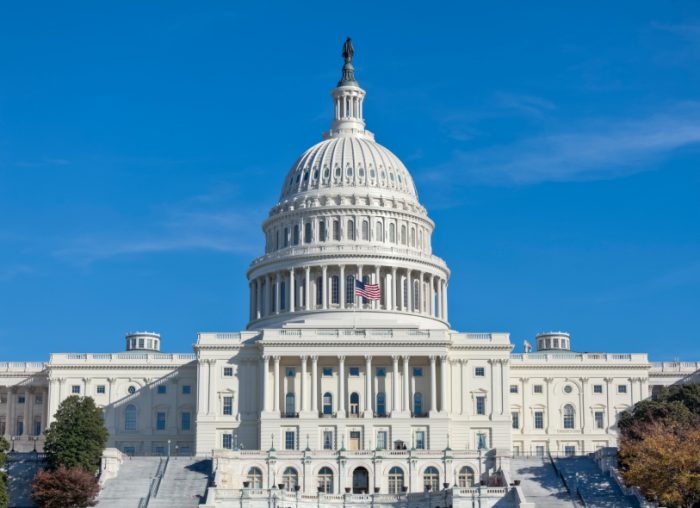
Governor Josh Shapiro and members of the General Assembly have agreed to a $50.1 billion budget for the 2025/26 Fiscal Year. This is $2.3 billion more than last year’s budget but less than the Governor’s $51.5 billion proposed budget. The budget includes a $105 million increase in basic education, $665 million for highway improvements, and $1 billion for highway maintenance.
For Human Services, the General Budget bill includes the following increases from 2024/25 to the 2025/26 budget:
The following lines have been flatlined or cut between the 2024/25 and 2025/26 budgets:
Please find the entire 2025/26 Budget spreadsheets here.
Additionally, in other Code bills, $20 million was appropriated for county-based mental health funding, and the Four Walls payment issue was resolved in the human services code bill by abrogating 1153.15(6) and 1223.14(11) from 55 Pa. Code.
RCPA will continue to update members as more information from the budget is available. We will discuss the budget in detail during the Government Affairs meeting next Thursday, November 20, 2025. You can register for the meeting here.
Contact Jack Phillips with any questions.
 Prev
Prev