






Reminder: Comp Survey Work Group on Wednesday, Nov 2


The Public Health Emergency (PHE) is a federal declaration made by the secretary of the US Department of Health and Human Services that was put in place in response to the COVID-19 pandemic. If it is not renewed every 90 days, it ends.
While the PHE is in place, Pennsylvania is allowed to keep Medical Assistance (MA) open for most people, even if they stopped meeting eligibility criteria or did not return a renewal for their MA. This is known as the continuous eligibility option, and people covered by MA could only have their benefits closed during the PHE if they passed away, moved out of state, or asked DHS to close their coverage.
So, what does this mean for MA recipients in Pennsylvania? Here are five important things to know as we approach a possible end to the federal PHE:
On October 13, 2022, the US Department of Health and Human Services announced that it was once again extending the PHE due to COVID-19.
This means that the earliest that the PHE will expire is January 11, 2023. DHS is continuing to monitor the status of the PHE and will let MA recipients know once an expiration date has been announced or if the PHE will be extended past January.
When the PHE ends, states will have to complete renewals for everyone covered by MA to determine eligibility. Coverage will not automatically end, but when a renewal is received it must be completed. If a renewal is not submitted to DHS or the individual is no longer eligible when they complete their renewal, they will be disenrolled and referred to Pennie or the Children’s Health Insurance Program (CHIP) for additional coverage options.
Renewal Packets
Not all renewals will be mailed to MA recipients at the same time when the PHE ends. DHS will be mailing renewal packets to individuals currently covered by MA the month before their renewal is due. If an individual is signed up to receive text messages from DHS, they will receive a text notification when their renewal packet is mailed. A due date will be listed on the renewal packet. If help is needed with completing the renewal or getting the needed verification documents by the due date, MA recipients can contact their local county assistance office or call the Statewide Customer Service Center at 877-395-8930 or 215-560-7226 in Philadelphia.
Completing Your Renewal
Renewals can be submitted using one of these three methods:
If you have questions regarding completing your renewal, please view the PHE FAQ.
Keep your contact information up-to-date
One of the most important things you can do before the end of the PHE is make sure your phone number, email, and mailing address are up to date with DHS.
You can easily update your information anytime by using your My COMPASS account or the myCOMPASS PA mobile app (available from Apple or Google) . If you do not have a myCOMPASS account or the mobile app, you can call the Statewide Customer Service Center to update your contact information at 877-395-8930 or 215-560-7226 in Philadelphia, which are available Monday–Friday, 8 am–4:30 pm.
If a renewal shows that a recipient is no longer eligible for MA, options are available to stay covered.
You and/or your organization can help DHS spread information about the end of the PHE by using your existing communications channels, such as social media and newsletters, to get trusted messages to your neighbors and community members. Simply sign up to be a Helper and you will receive information — key dates, print materials, toolkits, and more — via email that will support you in this effort.

Governor Tom Wolf signed into law House Bill 1630, which makes permanent certain COVID-related regulatory suspensions under the Department of Human Services. While the bill primarily addresses pharmacy benefits, it contained language repealing several Department of Human Services (DHS) regulatory standards, making permanent several critical telehealth flexibilities listed below.





The agenda for the November 2, 2022, Managed Long-Term Services and Supports (MLTSS) Subcommittee has been released. Included on the bottom of the agenda is a link to register to participate in the meeting, as well as a link to connect to the livestream of the meeting. The meeting is scheduled for 10:00 am – 1:00 pm and will be conducted in person (PA Department of Education Honors Suite, 1st floor, at 333 Market St. in Harrisburg). Participants can also join via webinar.
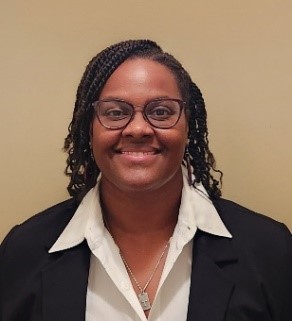 The Office of Developmental Programs is pleased to announce TaWanda Jackson as the new Chief of Staff. TaWanda brings a wealth of experience and will begin her new role October 31, 2022.
TaWanda Jackson, a native of Pittsburgh, Pennsylvania, is an energetic professional with a passion for helping others. She earned her bachelor’s degree in Marketing from Robert Morris University and continued her education and received her master’s degree in Public Policy and Management from Carnegie Mellon University.
TaWanda began her career in public service at the Allegheny County Area Agency on Aging. She then joined the Commonwealth as an Income Maintenance Caseworker, and for the past thirteen years, she’s been with ODP in various roles. Most recently, TaWanda served as a statewide lead for the Quality Assessment & Improvement Process. She has participated in the development and implementation of the QA&I process since its inception and provided her knowledge and expertise to ensure that stakeholders understand the overall processes and procedures and adhere to federal and state regulations and requirements.
TaWanda is an alumnus of the Office of Administration Emerging Leader Program and the Department of Human Services Leadership Development Institute. In her spare time, she likes to spend time with family playing games, cooking, reading, being active in her church, and watching the Pittsburgh Steelers. TaWanda lives in Lancaster County with her husband Bobby and two children.

 Prev
Prev