






The Growing Acceptance of Autism in the Workplace




ODP Bulletin 00-22-02, effective June 2, 2022, is to establish the process for requesting a waiver of a regulatory requirement. This bulletin applies to entities seeking to be licensed or are currently licensed under one or more of the following chapters:
Licensees and ODP-enrolled providers are expected to comply with all applicable regulations. However, the Department recognizes that there are occasions where compliance with a regulation impedes the licensee’s or ODP-enrolled provider’s ability to provide services to an individual. As a result, the Department permits licensees and ODP-enrolled providers to request that a section, subsection, paragraph, or subparagraph of a regulation not apply when it is in the best interest of an individual or group of individuals who receive services from the licensee or ODP enrolled provider.
Not all regulations can be waived. Section 6100.43(a) prohibits waivers of the following regulations:
Additionally, section 6500.12(7) prohibits waivers of sections 6500.1–6500.4 (relating to General Provisions). While Chapters 2380, 2390, and 6400 do not address waivers of regulation, waivers for these chapters are at the discretion of the Department and can be requested pursuant to 1 Pa. Code section 35.18.
Providers should utilize the Office of Developmental Programs’ form “Request for Regulatory Waiver.”



The documents from the June 1, 2022, Managed Long-Term Services and Supports (MLTSS) Subcommittee meeting are available for review. The documents include:
The next MLTSS Subcommittee meeting is scheduled for July 6, 2022, and will be held in person (and also via remote streaming).
What is Juneteenth?
Juneteenth is a federal holiday celebrated on the nineteenth day of June to commemorate the emancipation of African-Americans who were enslaved in the United States. It memorializes the end of slavery and has been observed annually since 1865. On June 17, 2021, President Biden signed into law Senate Bill 475, making Juneteenth a federally-recognized holiday.
Juneteenth may be celebrated under several names, including National Independence Day, Emancipation Day, Freedom Day, Jubilee Day, Black Independence Day, and Juneteenth Independence Day.
Background and History
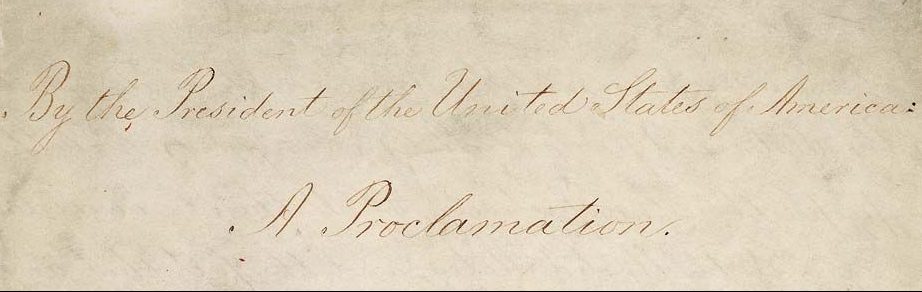
In early 1863, during the American Civil War, President Abraham Lincoln issued the Emancipation Proclamation, which declared the freedom of more than three million slaves living in the Confederate states. More than two years later, on June 19, 1865, this news finally reached people living in Texas with the arrival of Union soldiers. When African-Americans living in Texas learned that slavery had been abolished, they immediately began to celebrate with prayer, feasting, song, and dance – the foundation of Juneteenth.
The following year, on June 19, the first official Juneteenth celebrations took place in Texas. Original observances included prayer meetings and the singing of spirituals. Celebrants wore new clothes as a way of representing their newfound freedom. Juneteenth became a state holiday in Texas in 1980, and several other states followed suit. Within a few years, African Americans in many other states were celebrating the day as well, making it an annual tradition.
Ways to Celebrate
Today, many Juneteenth celebrations include prayer and religious services, speeches, educational events, family gatherings and picnics, and festivals with music, food, and dancing. In some places, demonstrations and parades commemorate the day. These celebrations often include ways to honor aspects of African-American culture.
Is Celebrating Juneteenth Only for African-Americans?
While Juneteenth has immense meaning for the African-American community, there is value for every person — regardless of race, culture or background — to observe this holiday. A celebration of freedom for any group is a celebration of the ideals that we value as a nation.
Juneteenth is a day for African-Americans to celebrate liberty, resilience, and strength. While participating and commemorating, all should pause to acknowledge the historical and somber importance of the day.
Why Should We Celebrate Juneteenth in the Workplace?
Celebrating Juneteenth in the workplace sends a strong message to African-American employees, clients, and community members that the black experience, black history, and the struggles endured are worth acknowledging.
Ideas for planning a Juneteenth celebration:
Learn More

As the PA General Assembly reviews the State 2022/23 Budget, RCPA would like to provide some guidance and feedback on the intersection of future school district funding and student mental health services. The need for student mental health services has been exacerbated by the COVID-19 pandemic as well as the trauma experienced over the last few years in our schools.
Please read the full RCPA position paper here.
 Prev
Prev