



Lawmaker Says PennDOT Needs a Voice for Disabled Drivers



The sustained funding of community-based mental health services, such as community residential programs, family-based support, outpatient care, and crisis intervention, are critical to the wellbeing of our constituents and our communities. Funding levels for county mental health services have direct impacts on whether these important community and family supports will be available. Yet for too many years, state funding for mental health services has lagged far behind its needs. Counties find themselves advocating for the prevention of funds being cut instead of achieving the increases that are needed to catch up from years of underfunding.
This week’s letter, sent on behalf of the Coalition for the Mental Health Safety Net, stands as an open call to the PA General Assembly and stakeholders. For Pennsylvanians with a mental illness, the impact of the county funding shortfalls is already evident. The effects include: shortages of key mental health professionals; chronic underpayment of mental health providers; reductions/closures in mental health residential programs and supportive services, including employment and psychiatric rehabilitation services; uneven crisis response services; outpatient program closures; and the continuing criminalization of mental illness. Across the Commonwealth, there is no consistent level of mental health services available, and access to critical services largely depends on which county a patient lives in.
The Coalition is open to all new partners who wish to join our mission of advocacy for this 2023/24 initiative, as the time to act and engage with your representative is now. The Coalition will also be developing an advocacy toolkit for members to come together to sustain the safety net and serve those who need it most. The reality is that the demand for service far outweighs capacity and rate structures to serve this population.
If you have additional questions or would like to join the Mental Health Safety Net Coalition, please contact RCPA Policy Director Jim Sharp.

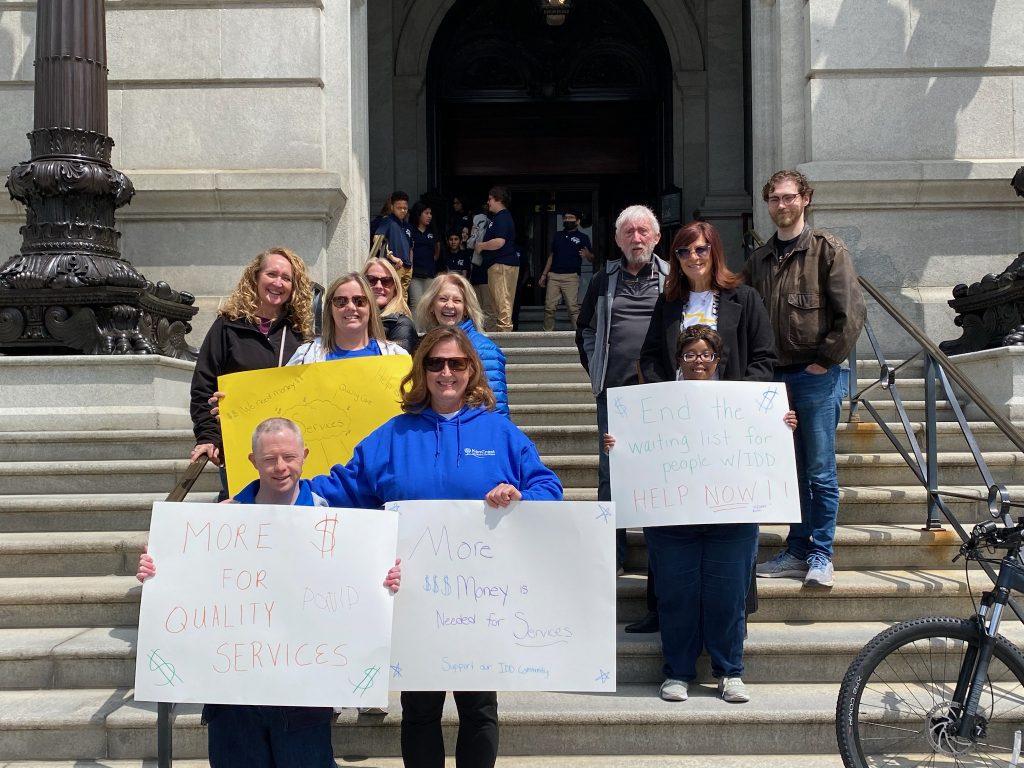
Today, on April 24, RCPA held its 2023 Capitol Day outside the Main Rotunda of the Capitol in Harrisburg, PA. RCPA members Conference for Allegheny Providers (CAP) and KenCrest both came prepared with signs of support and advocacy for legislative reform and funding for health and human services. This includes funding for DSPs and staff training as well as decreasing administrative burden. We thank them and everyone else who came out today and showed support for those who work in these critical services!
You can view RCPA’s 2023 legislative and administrative priorities here.
It is not too late to register for NADSP’s Advocacy Symposium. On May 3 and May 4, the National Alliance for Direct Support Professionals (NADSP) will embark on its second national advocacy event to bring the direct support professional (DSP) perspective to the forefront of Congress and the Administration during a time of unprecedented workforce challenges. Hardships from the pandemic and recent legislation have provided new insights and opportunities for the direct support workforce that supports people with disabilities.
NADSP recognizes the previous absence and critical importance of lifting the voices of DSPs to federal policy-makers so that public policy can be informed by the people who are on the front-lines of supporting people with disabilities to live, work, and thrive in the community. On April 13, 2023, NADSP will provide DSPs from all across the country comprehensive advocacy virtual training. (No worries if you are registering late, as this training was recorded.) This will lead up to the 1.5-day virtual event in May that will culminate with virtual meetings with Congressional leaders and staff to educate and advocate on NADSP’s public policy priorities for 2023.
Advocacy Symposium and Legislative Meetings Training
Wednesday, May 3, 2023, 2:00 pm – 4:30 pm ET
State Team Meetings will extend beyond 4:30 pm ET
Legislative Meetings
Thursday, May 4, 2023, Time will vary by state and district
After registering, all individuals will receive a confirmation that they have registered. Final meeting times will be shared on March 4 from Soapbox Consulting. Please note that your meeting time will depend on your Zip Code and Congressional District.
RCPA members participated last year, and the event was a great success. If you have any questions regarding the event, please contact Carol Ferenz.

The sustained funding of community-based mental health services, such as community residential programs, family-based support, outpatient care, and crisis intervention, are critical to the wellbeing of our constituents and our communities. Funding levels for county mental health services have direct impacts on whether these important community and family supports will be available. Yet for too many years, state funding for mental health services has lagged far behind its needs. Counties find themselves advocating for the prevention of funds being cut instead of achieving the increases that are needed to catch up from years of underfunding.
This week’s advocacy letter, which is being sent on behalf of the Coalition, stands as an open call to the PA General Assembly and stakeholders. Governor Shapiro’s budget address called for an initial $20 million investment as a starting point to creating a sustainable funding platform for county-based mental health services. These budgeted funds, if approved by the General Assembly, would represent the first increase in county-based mental health funding in more than a decade. Now is the time for action on sustaining the funding of community-based mental health services and creating the legislation to move on the allocation of the $100 million in funding, as outlined by the Pennsylvania Behavioral Health Commission.
The Coalition is open to all new partners. Join our mission of advocacy for this 2023–24 initiative and begin engaging with your representative. The Coalition will also be developing an advocacy toolkit for members in order to come together to sustain the safety net and serve those who need it most. The reality is that the demand for service far outweighs capacity and rate structures to serve this population.
If you have additional questions or would like to join the Mental Health Safety Net Coalition, please contact RCPA Policy Director Jim Sharp.


Access, Empowerment, Experience: Driving Voice Behind Change
This issue of Positive Approaches focuses on the importance of advocacy for individuals with intellectual disabilities, autism, and serious mental illness. Article topics include barriers to self-advocacy; the complicated language of autism advocacy; and the history, evolution, and importance of advocacy at state mental hospitals. Also presented is an article on two mothers’ experiences advocating for family members throughout their lifespan.
This issue of the Positive Approaches Journal is in digital form, available for viewing online or for downloading. To print a copy of the PDF, online journal, or a specific article, find these options within the left navigation bar on any Positive Approaches Journal page. A new window will open with the selected document. In the browser, you may click the print button in the top left corner of the page or use the print capability within your browser.
Please submit feedback regarding your experience with the Positive Approaches Journal on MyODP by selecting the feedback image on MyODP within your left navigation bar on any Positive Approaches Journal page. The Positive Approaches Journal is published quarterly. For additional information, please contact ODP Training.
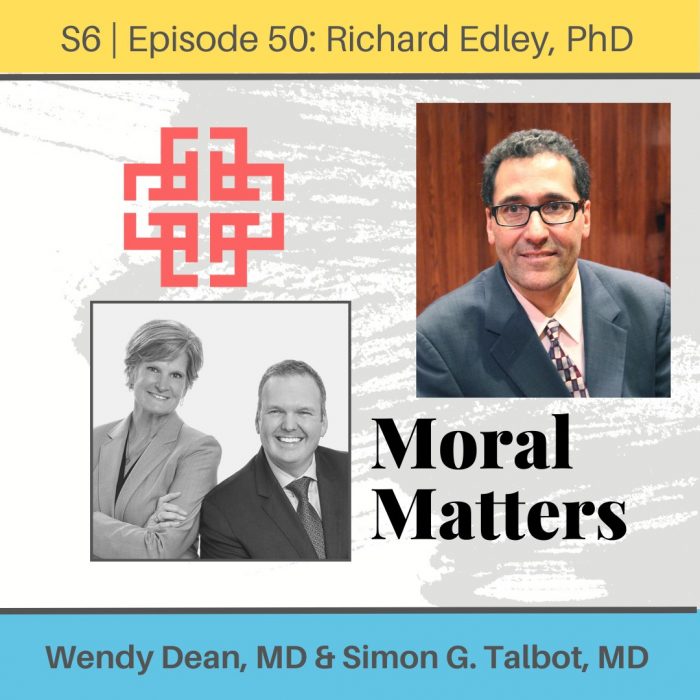
The Moral Matters podcast recently discussed “Lobbying for Good” with Richard Edley, PhD, who is a psychologist and current President/CEO of RCPA, an advocacy and lobbying organization in Pennsylvania that supports community health and human services organizations. He shares his journey to this career, and why we should all learn more about how lobbyists — and even political action committees — might be acting on our behalf. Listen to the podcast here.

The sustained funding of community-based mental health services, such as community residential programs, family-based support, outpatient care, and crisis intervention, are critical to the wellbeing of our constituents and our communities. Funding levels for county mental health services have direct impacts on whether these important community and family supports will be available. Yet for too many years, state funding for mental health services has lagged far behind its needs. Counties find themselves advocating for the prevention of funds being cut instead of achieving the increases that are needed to catch up from years of underfunding.
This year, RCPA and other system stakeholders once again teamed with the County Commissioner Association of Pennsylvania (CCAP) through the Mental Health Safety Net Coalition. The mission and vision of this campaign continues to promote awareness of the critical funding needs of mental health services for vulnerable Pennsylvanians. As RCPA and the Mental Health Safety Net Coalition continue our efforts, we ask our members, stakeholders, and partners to join us in this collaborative effort by engaging with your legislators. “County mental health services provide a critical piece to the public safety net for people in need,” notes Richard S. Edley, PhD, President and CEO of RCPA. “The system sustained cuts over a decade ago with little relief since then. It is time to restore those dollars and further enhance the system. Not only will it provide critical funding for the individuals receiving services, but there are positive benefits — both financially and clinically — to the entire community.”
The Coalition welcomes the many new partners for this 2023–24 initiative, as the time to act is now for engaging with your representative. Local communities and providers have come together to sustain the safety net and serve those who need it most. The reality is that the demand for service far outweighs capacity and rate structures to serve this population.
View our first of many communications that will go out on behalf of the Coalition as an open call to the PA General Assembly and stakeholders. This will provide you with strategic talking points for our outreach. If you have additional questions or would like to join the Mental Health Safety Net Coalition, please contact RCPA Policy Director Jim Sharp.
 Prev
Prev