








Engagement: The Biggest Predictor of Success
Christopher M. Owens, MA, LPC, CCTP, C-DBT
March 7, 2024
1:00 pm – 4:15 pm
Holiday Inn, Grantville, PA
Research clearly demonstrates that the single biggest predictor of therapeutic success is the strength of the clinical relationship. The helper’s ongoing focus on engagement is central to this alliance. Awareness of the importance of engagement, however, does not mitigate the myriad obstacles that interfere with developing and maintaining rapport. This course will define the concept of engagement and highlight its significance in clinical settings. Additionally, barriers will be discussed from the practitioner’s perspective. Strategies will also be provided to assist helpers in improving engagement with those they serve.
The BHE Toolkit 2: Specific Practices for the Art of Helping People With Anxiety
Christopher M. Owens, MA, LPC, CCTP, C-DBT
March 8, 2024
9:00 am – 3:30 pm
Holiday Inn, Grantville, PA
This course focuses on specific interventions of use to the professional helper when providing therapeutic services in behavioral healthcare. The aim of this workshop is to add to the helper’s “bag of tricks” or “toolkit” pertaining to assisting people with anxiety. Participants engage in didactic and experiential learning related to several anxiety-specific interventions. Participants also dialogue in small groups to share creative and effective interventions they have used in their various practice settings.
 This course is designed to provide an overview of the cycle of use and abuse of opiates in the United States. The diagnostic criteria for opioid use disorders, including clinical presentation, epidemiology and treatment, will be explored. Participants will learn about the mechanisms of action of opioids, including how they affect the brain and nervous system. In addition, the course will cover strategies for managing opioid overdose and preventing relapse, as well as the importance of addressing co-occurring mental health conditions in the treatment of opioid use disorder. Participants will gain the knowledge and skills necessary to effectively address opioid use disorders in their practice or community.
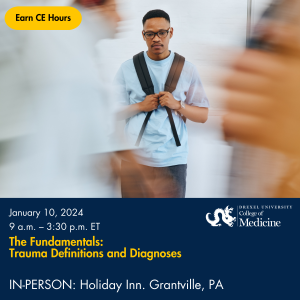 Trauma is ever-present in the lives of many people who seek professional help. This training will provide a foundational overview necessary to understand the impact of traumatic experiences. Areas that will be explored include definitions, diagnostic criteria, prevalence data and brain changes. Participants will engage in discussions regarding their professional experiences in working with people with trauma histories. A vignette will be provided highlighting the lasting impact trauma can have on a person, as well as the healing journey toward recovery. Lastly, the importance of becoming trauma-informed practitioners will also be introduced.


 Prev
Prev