






RCPA and RCPA Partner Clinically AI to Hold Webinar on AI Learning Collaboratives March 10


The Rehabilitation and Community Providers Association Political Action Committee (RCPA PAC) is asking members to consider making a personal contribution to the PAC. With these donations, we have been successful in supporting legislative leadership who understand the severe challenges facing many of our providers. These representatives are willing to stand up for our issues as we fight to move Pennsylvania forward.
We urge you to view our 2026 Legislative & Administrative Priorities to see how RCPA is working, and will continue to work, for you. We are able to achieve these goals thanks to our members’ dedication and contributions.
Make an online contribution and advocate for yourself today. While the request is voluntary, we encourage you to make a contribution of $100, $250, $350, $500, or more to the RCPA PAC. If you are interested, you can also consider making a recurring monthly donation.
If you have any questions regarding the RCPA PAC or making a donation, please contact Jack Phillips, Director, Government Affairs.


FOR IMMEDIATE RELEASE
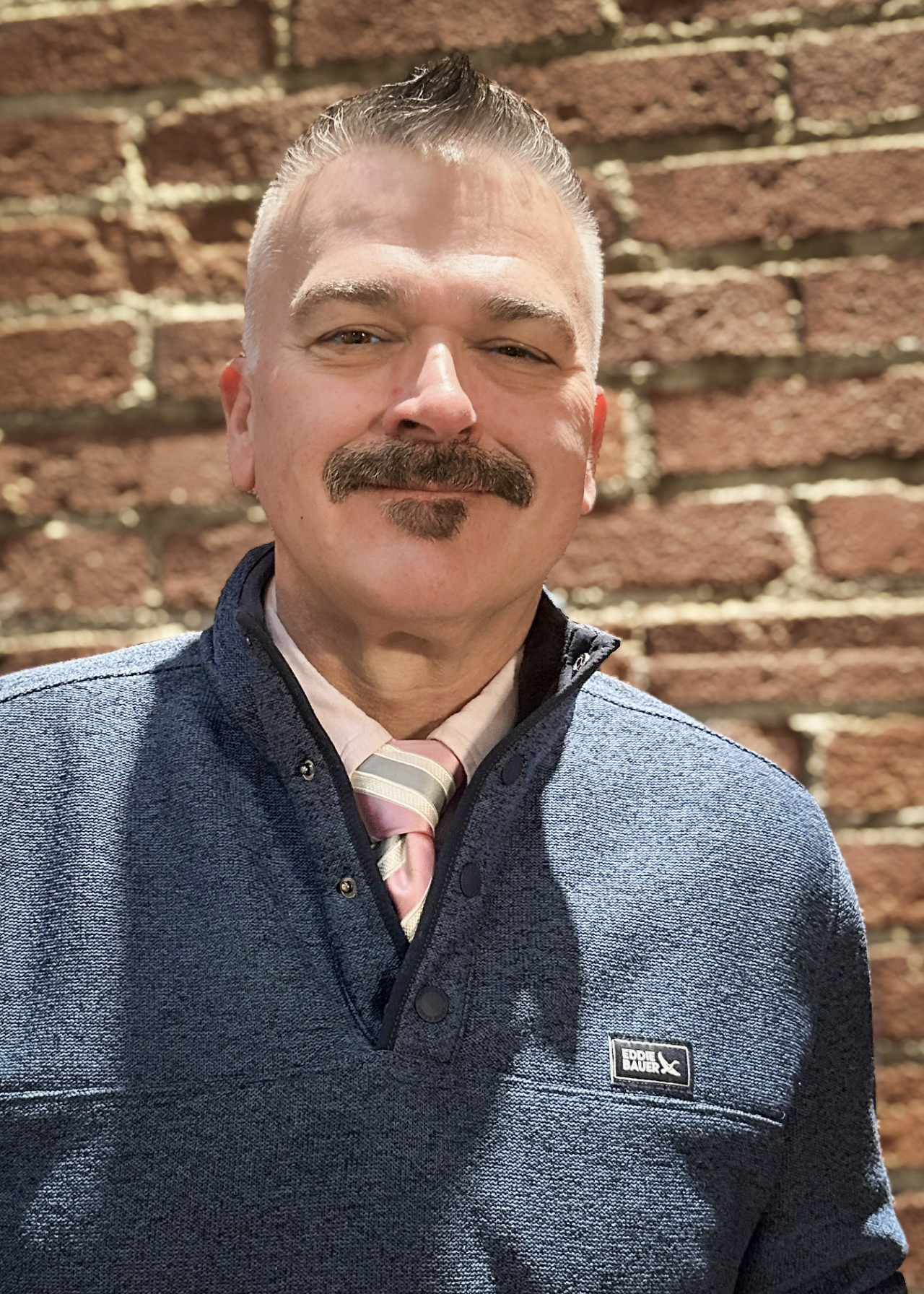
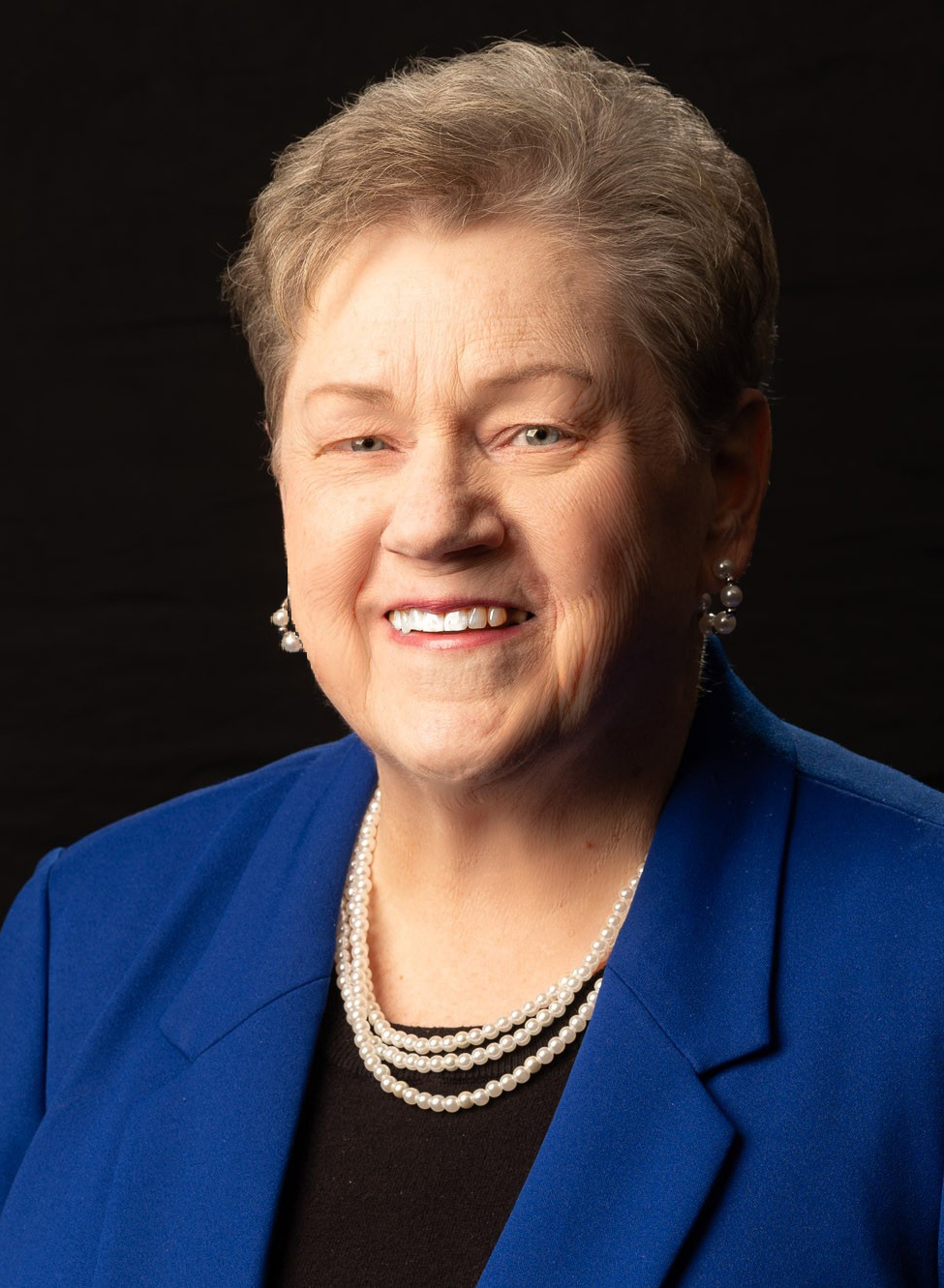
Allegheny Family Network Celebrates the Retirement of CEO Ruth Fox, Welcomes John Eliyas as Incoming Chief Executive Officer
Pittsburgh, PA — [February 9, 2026] — After more than four decades of dedicated service to children, families, and communities, Ruth Fox, Chief Executive Officer of Allegheny Family Network (AFN), has announced her retirement, closing a transformative chapter in the organization’s history. AFN also proudly announces the appointment of John J. Eliyas, MA, CPG, as its new Chief Executive Officer, ushering in the next era of leadership and growth.
Welcoming a Seasoned Behavioral Health Leader
As AFN looks to the future, the Board of Directors has appointed John J. Eliyas, MA, CPG, a respected behavioral health executive with more than 30 years of experience across mental health, substance use, forensic, and community-based systems.
John, of Penn Township, Pa., most recently served as Executive Director of Behavioral Health at Merakey, where he oversaw residential, outpatient, forensic, and community programming across Western Pennsylvania. Throughout his career, he has built multidisciplinary teams, expanded services, increased revenue, and strengthened system partnerships.
His leadership philosophy centers on collaboration, frontline engagement, and empowering staff and families — values closely aligned with AFN’s family-run model.
“I am honored to step into this role and build on the incredible foundation Ruth and the AFN team have created,” said Eliyas. “Family voice and peer support are critical to strong communities, and I look forward to partnering with families, staff, and stakeholders to expand AFN’s impact across Pennsylvania.”
John shares “lived experience” as a parent and caregiver, personally and professionally, across a variety of systems.
Honoring a Visionary Leader
Ruth Fox has devoted her career to uplifting families and strengthening mental health systems across Western Pa. Beginning her professional journey as a nurse and community volunteer, Ruth transitioned into behavioral health leadership, where she discovered her calling: ensuring families have a voice and a choice in their care.
Ruth, of Cheswick, Pa., began her position as Executive Director in 2008. Under her leadership:
Her leadership story is deeply personal as well as professional. Inspired by her own family’s lived experience navigating mental health challenges, Ruth built AFN around compassion, resilience, and the belief that every family deserves support, dignity, and hope. Ruth’s work has empowered thousands of caregivers and families over her tenure.
“Leading Allegheny Family Network has been one of the greatest privileges of my life,” said Fox. “My wish is that the organization continues to grow, and continues to help families who are working hard so that their children can succeed.”
A Strong Future Ahead
AFN’s Board of Directors shared that this transition reflects continuity and growth.
“Ruth’s legacy is woven into the heart of our organization,” said Lisa Stefanko, Board Chair. “John brings the experience, integrity, and vision needed to carry that mission forward. Together, this moment represents both celebration and opportunity.”
Allegheny Family Network remains committed to strengthening families, elevating lived experience, and ensuring that families have access to meaningful support and advocacy.
About Allegheny Family Network
Allegheny Family Network is the largest family-run nonprofit organization dedicated to supporting families raising children and loved ones with mental health or emotional challenges in Pennsylvania. Through peer support, advocacy, education, and system partnership, AFN empowers families to build resilience, connection, and hope. AFN is based in Pittsburgh, with a satellite office in Natrona Heights, Allegheny County. It services almost 500 families monthly with Comprehensive Family Peer Support Services, Support Groups, Education Programs and Partnerships with child and family-serving systems. AFN has a staff comprised of parents with lived experience of raising children with mental health, behavioral health or trauma, from the Executive Team to the frontline staff.
Media Contact:
Misty Chybrzynski Woody
Chief Strategy & Development Officer
Allegheny Family Network
Office / Cell: 412-438-6130

From Manual Notes to Measurable Gains with AI-Powered Note-Taking
Date: Thursday, February 26, 2026
Time: 12:00 pm CST / 1:00 pm EST
Featuring: Saint Louis Counseling & Qualifacts
Visit Here to Register
A year ago, Saint Louis Counseling set out to solve a familiar challenge. Clinicians were spending too much time on documentation and not enough time with the people they serve. Documentation delays were also creating operational bottlenecks, slowing reimbursement, and impacting staff capacity.
In this case-study webinar, Saint Louis Counseling shares how they evaluated AI-powered clinical documentation tools and implemented Qualifacts iQ to modernize workflows without disrupting care or compromising privacy.
Join this session to hear directly from SLC leadership about what they looked for in a trusted AI partner and the measurable impact on their teams, operations, and client experience.
In this webinar, we will:
Featured Speakers

Please share these important workshops and support groups with your networks! Register for upcoming events at PA Family Network’s website.
Good Life Group, Support Groups
LifeCourse Workshops
Waiver Workshops

The Office of Developmental Programs (ODP) invites individuals with intellectual disabilities and/or autism (ID/A) and their families to join in a virtual discussion with members of the Division of Policy and Program Innovation. These sessions are informal, meaning the conversation will not be recorded, and rules will be set before the session starts to ensure everyone feels comfortable and safe to provide questions and comments. The session will be held through Microsoft Teams.
Please note: This event is being held only for individuals and family members; this is not an event for someone who is only a professional.
What Will Be Covered?
ODP staff will demonstrate where to go online to find the ID/A waivers available in Pennsylvania and the Individual Support Plan (ISP) manual, as well as how to navigate within the documents. The session also includes a review of the enrollment process using the publicly available documents. Finally, ODP staff will discuss with individuals and family members who they should contact once they begin the registration process.
Audience:
Individuals and Families
Date and Time:
March 18, 2026
5:30 pm – 7:00 pm


An Overview of Sexuality & Disability in Pediatrics
Tuesday, March 17, 2026
12:00 pm – 1:00 pm EST; 11:00 am – 12:00 pm CST;
10:00 am – 11:00 am MST; 9:00 am – 10:00 am PST
Register Here
A Discipline Specific Approach to Sexuality & Disability in Pediatrics
Tuesday, March 24, 2026
12:00 pm – 1:00 pm EST; 11:00 am – 12:00 pm CST;
10:00 am – 11:00 am MST; 9:00 am – 10:00 am PST
Register Here
Presenters:
Amanda Appel, MD, MPH (Pediatric Rehabilitation Medicine)
Amanda Chestnut, MS, OTR/L, BCP (Occupational Therapy)
Alison Colbert, PhD (Neuropsychology)
Caroline Freer, CCC-SLP (Speech Therapy)
Carolyn Kelley, DPT, PCS (Physical Therapy)
Ann Lantagne, PhD (Rehab Psychology)
Christine Petranovich, PhD (Neuropsychology)
Led by Amanda Appel, MD, MPH, a pediatric rehabilitation medicine physician at Children’s Hospital Colorado, this engaging team will discuss the multi-disciplinary facets of discussing sexuality with children with disabilities.
Objectives — Part 1: At the end of this session, the learner will:
Objectives — Part 2: At the end of this session, the learner will:
Audience: This webinar is intended for all interested members of the rehabilitation team.
Level: Beginner-Intermediate
Certificate of Attendance: Certificates of attendance are available for all attendees. No CEs are provided for this course.
Complimentary webinars are a benefit of membership in IPRC/RCPA. Registration fee for non-members is $179. Not a member yet? Consider joining today.
 Prev
Prev