





RCPA to Host PA Reception at NatCon23







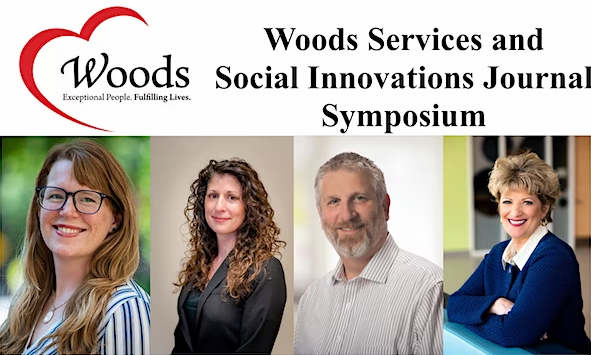
Join Lydia Dawson, Erin Drummond, Marco Giordano, and Toni Pergolin as they present the Employee Engagement Symposium, moderated by Tine Hansen-Turton.
Thursday, February 16, 2023
3:30 pm – 5:00 pm EST
Virtual Event
Register Here
Description:
How do you promote workplace practices and cultures that lead to satisfied employees and improved business outcomes in the health and human services sectors? How do you draw on employees’ knowledge and ideas to improve and grow services? Our panelists will address these questions and share their best strategies for successful employee engagement. This symposium is moderated by Tine Hansen-Turton, President and CEO of RCPA member Woods Services.
Thriving Through Transformation Symposia Series:
This symposium is the second in a series of four symposia that stem from key themes in the newly released book Thriving Through Transformation: A Practical Guide to Creating Organizational Change in the Social Sector by Woods Services. For more about the book and the series, see below.
Visit here to purchase a paperback copy of the book.
Visit here to download the free digital version.
Learn more about the speakers, agenda, and registration details here.


The Pennsylvania Department of Drug and Alcohol Programs (DDAP) today announced almost $9 million in grant funding awarded to four Single County Authorities (SCAs) to establish or expand crisis stabilization services for individuals with co-occurring mental health and substance use disorders (SUD). The funding is part of the more than $17 million allocated last year to DDAP by the General Assembly from Pennsylvania’s share of a total opioid settlement of $1.2 billion reached with three distributors and manufacturer Johnson & Johnson.
Crisis stabilization services include assessment and stabilization of acute physical and psychiatric symptoms, which may include medical management and behavioral interventions, induction on medications for opioid use disorder, level of care assessments, short-term stays, and connections to supportive services.
Grants up to $3 million each will be awarded to the following four SCAs, serving residents throughout seven counties:
The funding can be applied toward a range of activities, including construction and building infrastructure, staffing, and programming. DDAP’s goal in offering this funding opportunity is to provide an additional mechanism for counties to invest in infrastructure, staffing, programming, and other necessary components to establish or expand crisis stabilization services.
Eligible grantees were chosen based on information presented in their applications demonstrating their capacity to recognize and manage individuals presenting with a wide range of SUD-related symptoms, mental health disorders, and developmental disabilities.
A message from the National Council of Mental Welbeing:

 Prev
Prev