





Temple University Hosting 9th Annual Disability & Change Symposium on March 30 — Agenda Announced



Harry Bruell, President and CEO of PathPoint in California, is sponsoring a special free film screening on Wednesday, April 13, 2022, at 1:00 pm PDT (4:00 pm EDT) of the award-winning short film “Under the Lights,” the story of a young man with epilepsy.

Under the Lights is the story of Sam, a boy with epilepsy who is so desperate to feel like a normal kid that he goes to prom knowing that the lights will make him have a seizure. Cinema has historically stigmatized and ignored people with epilepsy, a demographic of 1 in 26 who have almost never been represented authentically on screen and suffer from brutal stigma every day. Under the Lights was written and directed by a filmmaker with epilepsy, Miles Levin, and Miles will participate in a Q&A as part of the film screening.
Please register here and consider involving groups of people that you support and/or clients. Feel free to share this invite broadly and invite friends, family, and community members. This could also be a great class for remote learning. Remember to register!
PathPoint
Supporting people in living the life they choose


Susan Tachau, Co-Founder and CEO of PATF, to Transition to a New Role in September 2022
Message from Pennsylvania Assistive Technology Foundation (PATF)
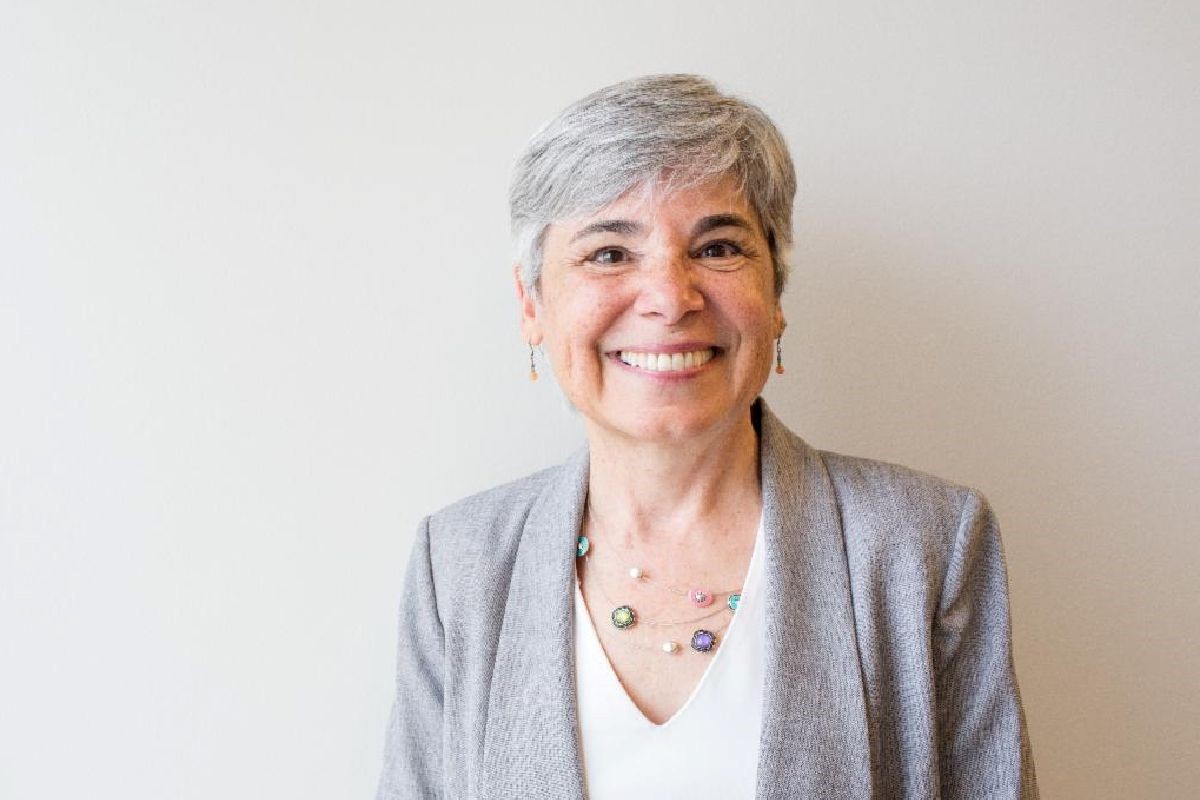
In September of this year, Susan Tachau will be stepping down as CEO of PATF. In her new role as PATF’s Innovation Officer, Susan will work on special projects and advocacy activities.
To help with this transition, PATF is developing a new Strategic Plan and a comprehensive, state-of-the-art brand book — both of which will help guide the organization into the future.
PATF is now accepting applications for their next CEO. Read the job description and share with your networks.
Interested applicants should send a cover letter/letter of interest, resume, and salary requirements via email by May 15, 2022.
“Susan has been a force in the disability community for some time, and it is her passion to expand access to assistive technology and create a more equitable world that has been the foundation for PATF’s programs. Now, as our organization approaches its 25th year in 2023, we are grateful that Susan will stay on as our Innovation Officer, to help with the transition as we enter this new chapter,” shares Nancy Murray, PATF Board President.
Under Susan’s leadership, PATF has established itself as the top Alternative Financing Program (AFP) in the country, continually providing more loans and extending more capital each year for the purchase of assistive technology than any other AFP, and providing information and assistance to thousands more Pennsylvanians, helping them access alternative funding resources they didn’t know existed.
With Susan’s advocacy, PATF has also had significant impact among Community Development Financial Institutions (CDFIs), helping to secure more federal funding for CDFIs to serve the disability community and educating CDFIs on best practices. In 2021, Opportunity Finance Network recognized Susan’s CDFI work with the Ned Gramlich Lifetime Achievement Award for Responsible Finance.
In addition, in the last year, Susan founded Appalachian Assistive Technology Loan Fund, a subsidiary to PATF, so that people with disabilities in nearby states will have access to affordable financing for assistive technology.
Driven by Susan’s passion, PATF has developed an incredible suite of informational and educational tools related to topics of assistive technology funding and financial education.
“Throughout my career, I have been fortunate to work in a field that I love. Ever since my first child was diagnosed with a disability, I have known that disability empowerment would be the focus of my efforts. During my time at PATF, our programs have grown tremendously in size, diversity, and influence. I have benefitted from the support of talented and dedicated co-workers and volunteers who have made PATF the leader in its field.
“The future for the organization is bright — we are financially secure, we have flourishing programs, we have excellent staff, we have a strong board, and we have just finished developing a strategic planning framework. I look forward to my new role as PATF’s Innovation Officer, and to ensuring a smooth transition for our new CEO,” says Susan.
Please join PATF in congratulating Susan on a lifetime’s worth of impactful advocacy for people with disabilities and thanking her for her decades of dedicated service to this organization and to the Pennsylvania disability community.


Foothold Technology is hosting a series of webinars and podcasts related to staffing, social determinants of health, and DEI. Descriptions, times/dates, and registration details are below.
Webinar/Panel — Caring Companies: Shifting the Focus to Staff Retention and Well-Being
Wednesday, March 30, 2022
1:00 pm EST
In the disability field, when we talk about the care economy and specifically the workforce crisis, a lot of attention has been focused on recruitment, so we wanted to shift the focus to retention, staff well-being, and the unpaid workforce. Come join Elliot Massuda, the Strategic Partnerships Manager at Foothold Technology, as he engages in a live conversation with industry experts about the Care Economy. Visit here for more information and to register.
Webinar/Panel — Identifying Impact: How to Find Common Language Around SDoH
Thursday, March 31, 2022
1:00 pm EST
Social Determinants of Health have always been mission critical to our community. Now, it’s getting the much needed attention that it deserves. Although there’s a lot of buzz around SDoH, there are still many obstacles providers face when trying to get paid for SDoH services and demonstrating the impact of these services.
Come listen to a panel of industry experts talk about the landscape of SDoH, some initiatives to improve funding of these services, and where they see these efforts going. Visit here for more information and to register.
Sharing In Our Caring — Episode 4 | An Ongoing Journey in Committing to Do Better
We just launched our next episode on Diversity, Equity, and Inclusion. Diversity, Equity, and Inclusion (DEI) are so relevant in our world right now that we would be remiss not to discuss it. In this episode of “Sharing in Our Caring” (a platform for human services professionals, policy-makers, and thought leaders to shed light on the topics and trends impacting their industry), hosts Elliot Massuda and Natalie Wright-Umoh discuss the importance of DEI and how that work has become more prominent. They are joined by Cindy Joseph, the Founder and CEO of The Cee Suite, who shares her experience as a talent management consultant, with a specialized focus in DEI. Tune in to hear the insights Cindy shares with organizations that are making a commitment to this work. Visit here to listen. “Sharing In Our Caring” is available on most podcast platforms.




Message from the Provider Relief Bureau of the Health Resources and Services Administration (HRSA):
HRSA is making more than $413 million in Provider Relief Fund (PRF) Phase 4 General Distribution payments to more than 3,600 providers across the country this week.
Providers received an email notification Monday, March 21 if their application was among those processed in this latest batch. HRSA is working to review all remaining applications as quickly as possible.
With this announcement, a total of nearly $12 billion in PRF Phase 4 payments has now been distributed to more than 82,000 providers in all 50 states, Washington D.C., and five territories. This is in addition to HRSA’s distribution of American Rescue Plan (ARP) Rural payments, totaling nearly $7.5 billion in funding to more than 44,000 providers since November 2021.
Learn More
 Prev
Prev