



Federal Medicaid Advocacy Opportunity From the National Council



The Pennsylvania Department of Drug and Alcohol Programs (DDAP) and the Department of Human Services (DHS) launched a new initiative designed to reduce administrative burden for substance use disorder (SUD) and mental health treatment providers that are licensed by both agencies.
Specifically, licensing staff from both DDAP and DHS will begin conducting coordinated annual inspections of SUD and mental health treatment facilities that are licensed by both agencies for outpatient, partial hospitalization, and residential services. The new initiative, which is voluntary, could impact up to 170 jointly licensed facilities that provide SUD and mental health services.
DDAP and DHS launched the new initiative today, July 14, by holding a webinar for impacted providers on the new inspection process, including how to pre-submit information. In addition, the agencies plan to survey providers to receive feedback on the new process that will allow for any necessary modifications to be made to the joint inspection process.
“On behalf of our behavioral health provider members across the Commonwealth, I want to thank DDAP and DHS for their hard work on this initiative. Reducing administrative burden has been and remains a top priority for RCPA, and we are grateful that the Shapiro Administration has responded, not only with this joint licensing inspection process, but with the other work it is currently doing to address provider burdens, including its work to reform regulations,” said Jason Snyder, Substance Use Disorder Treatment Services Director of Rehabilitation & Community Providers Association. “We look forward to continuing to collaborate with both departments in the future on additional ways to enable providers to put even more of their focus on patient care.”


From Risk to Reward: Strengthening Your Hiring Process
Free RCPA Members-Only Webinar
Wednesday, August 13, 2025
1:00 pm – 2:00 pm
Register Here
In this session, we will review how introducing value-based tools early in the hiring process has shown to reduce an employer’s risk for turnover, safety incidents, counterproductive employee behavior, and workers compensation claims. We will review recent case studies showing the measurable impact of this process.
Presenter: Mark Walker, MBA, Managing Partner, Safer Hire LLC
Objectives: Following this course, the learner will:
Certificates of attendance are available to RCPA members who attend this webinar; anyone interested in a certificate should contact Cathy Barrick. To apply for CEs, you will need to register for the RCPA Annual Conference Strive to Thrive and indicate you attended the webinar in your CE packet, which will be made available on the mobile app.
Contact Carol Ferenz, Conference Coordinator, for details, or visit the RCPA Conference website for information on workshops, sponsors, exhibitors, and more!

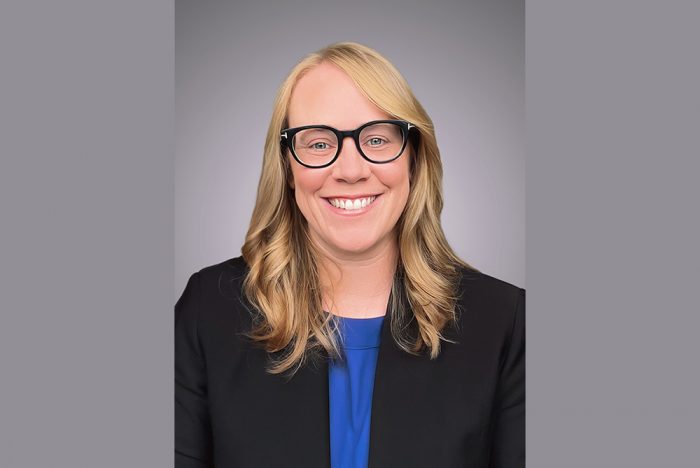

At this year’s Pennsylvania Psychological Association Award ceremony, the founder and CEO of RCPA member Network for Behavior Change Steve Kossor, MA, received the Distinguished Contributions to the Science and Practice of Psychology Award. This prestigious award recognizes the important work and contributions Kossor has made in nearly 40 years of service. Kossor is not only a licensed psychologist and certified school psychologist in Pennsylvania, but he is also a critical member of the RCPA IBHS Steering Committee. His guidance and partnership have helped shape our strategies for ensuring the treatment of children with mental illnesses and behavioral disorders.
Kossor has authored several research studies as well as developed and authored The Kossor Scale for Treatment Outcome Measurement. Please join us at RCPA in congratulating him on his award and career achievements.

Today, the House voted and passed HR 1 by a margin of 218–214, to advance the bill known as the “Big Beautiful Bill,” which now moves to the White House to Trump’s desk to be signed into law in time to beat a self-imposed July 4 deadline.
The final version cuts about $1 trillion from Medicaid, the federal health insurance program for low-income individuals and people with disabilities, and other health care programs. It reduces spending on anti-hunger programs, including SNAP, the Supplemental Nutrition Assistance Program formerly known as food stamps, by $185 billion.
The Pennsylvania Congressional Delegation all voted on party lines, with the exception of Representative Brian Fitzpatrick, who was one of only two Republicans to join all Democrats in voting against the measure. RCPA thanks Congressman Brian Fitzpatrick for meeting with RCPA last week and for voting against this bill. We are grateful for the Congressman’s support in protecting the most vulnerable populations that rely on Medicaid.
Main Points Relating to Medicaid Include
About 71 million Americans are enrolled in Medicaid, according to the government’s most recent data. According to a Congressional Budget Office report published this week, the changes to Medicaid and the Affordable Care Act in the current version would result in an increase of nearly 12 million more uninsured people by 2034. It is estimated that nearly 600,000 Pennsylvanians could lose Medicaid coverage.
Work Requirements
The bill outlines new work requirements for the popular entitlement program that provides government-sponsored health care for low-income Americans and people with disabilities. They require adults to work, volunteer, or study 80 hours a month to qualify for enrollment, unless they have an exception. The bill also requires parents of children over the age of 14 to work, as well as those receiving SNAP benefits.
Reporting Requirements
The bill also requires Medicaid recipients to prove their eligibility twice a year, instead of annually.
From our Partners at the National Council on Mental Wellbeing
The scale of the funding reductions and new administrative burdens is immense. But it is also important to recognize that some last-minute changes made to the bill in the past week provide an opening for further advocacy efforts that could potentially mitigate some of the impacts. Most relevant provisions of the bill will not take effect immediately, and in some cases, the effects will be phased in gradually over the course of several years. In addition, several provisions require agency rulemaking for full implementation, and there will likely be opportunities for you to engage through the notice and comment process.
RCPA will continue to review the final bill language and will follow up with a detailed analysis on the impacts of the bill; and through ongoing advocacy channels we will engage in with our national and state partners.
 Prev
Prev