





Setting a Path for Real Regulatory Reform




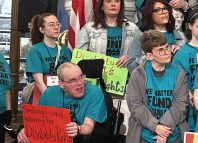
RCPA will be hosting our 2023 Capitol Day on Monday, April 24. During the day, RCPA will have a press conference and rally on the steps of the Capitol outside the Main Rotunda between 12:30 pm – 1:30 pm. We need your attendance, as well as that of staff and individuals/families you serve who are impacted by funding restraints, in order to show legislators, the administration, and any press in attendance that these issues — and these individuals — matter. We are also requesting that members schedule appointments with their Senate and House legislators to discuss the state budget, legislation, and regulations. Register for Capitol Day press conference/rally here.
In order to assist in your preparations for the day, you can view the updated RCPA Legislative and Administrative Priorities. Members can also visit the Pennsylvania Capitol website to find parking information and maps. If you have questions regarding our 2023 Capitol Day, please contact Jack Phillips.
We look forward to seeing you on April 24!




The sustained funding of community-based mental health services, such as community residential programs, family-based support, outpatient care, and crisis intervention, are critical to the wellbeing of our constituents and our communities. Funding levels for county mental health services have direct impacts on whether these important community and family supports will be available. Yet for too many years, state funding for mental health services has lagged far behind its needs. Counties find themselves advocating for the prevention of funds being cut instead of achieving the increases that are needed to catch up from years of underfunding.
This week’s advocacy letter, which is being sent on behalf of the Coalition, stands as an open call to the PA General Assembly and stakeholders. Governor Shapiro’s budget address called for an initial $20 million investment as a starting point to creating a sustainable funding platform for county-based mental health services. These budgeted funds, if approved by the General Assembly, would represent the first increase in county-based mental health funding in more than a decade. Now is the time for action on sustaining the funding of community-based mental health services and creating the legislation to move on the allocation of the $100 million in funding, as outlined by the Pennsylvania Behavioral Health Commission.
The Coalition is open to all new partners. Join our mission of advocacy for this 2023–24 initiative and begin engaging with your representative. The Coalition will also be developing an advocacy toolkit for members in order to come together to sustain the safety net and serve those who need it most. The reality is that the demand for service far outweighs capacity and rate structures to serve this population.
If you have additional questions or would like to join the Mental Health Safety Net Coalition, please contact RCPA Policy Director Jim Sharp.


 Prev
Prev