



PA Provider Advocacy Coalition Seeks Partnership With Governor Shapiro for 2026/27 Budget Proposal Discussions


Governor Josh Shapiro and members of the General Assembly have agreed to a $50.1 billion budget for the 2025/26 Fiscal Year. This is $2.3 billion more than last year’s budget but less than the Governor’s $51.5 billion proposed budget. The budget includes a $105 million increase in basic education, $665 million for highway improvements, and $1 billion for highway maintenance.
For Human Services, the General Budget bill includes the following increases from 2024/25 to the 2025/26 budget:
The following lines have been flatlined or cut between the 2024/25 and 2025/26 budgets:
Please find the entire 2025/26 Budget spreadsheets here.
Additionally, in other Code bills, $20 million was appropriated for county-based mental health funding, and the Four Walls payment issue was resolved in the human services code bill by abrogating 1153.15(6) and 1223.14(11) from 55 Pa. Code.
RCPA will continue to update members as more information from the budget is available. We will discuss the budget in detail during the Government Affairs meeting next Thursday, November 20, 2025. You can register for the meeting here.
Contact Jack Phillips with any questions.
The planned protest of the state budget impasse for Tuesday, November 18, on the Capitol steps has been cancelled, as Governor Josh Shapiro and members of the General Assembly have agreed to a $50.1 billion budget for the 2025/26 Fiscal Year. This is $2.3 billion more than last year’s budget but less than the Governor’s $51.5 billion proposed budget.

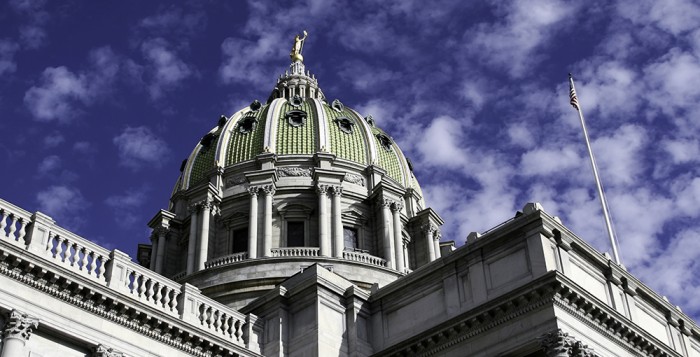

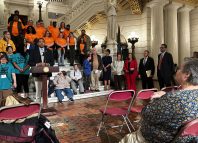
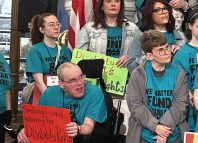
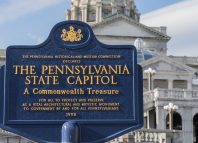
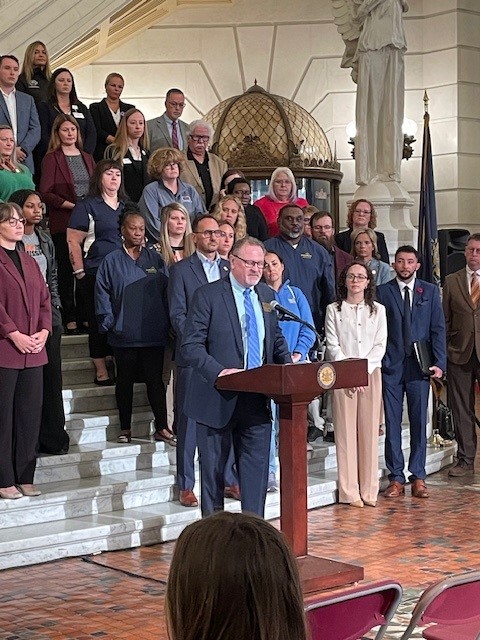
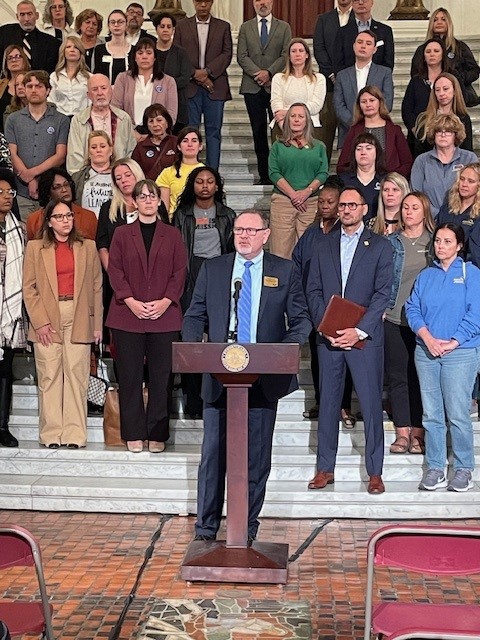
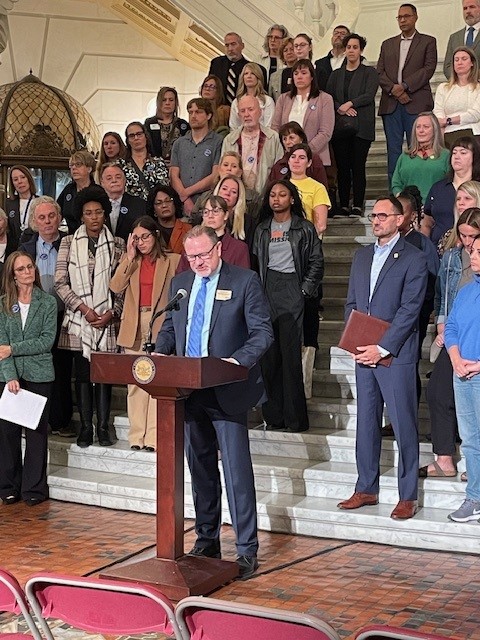
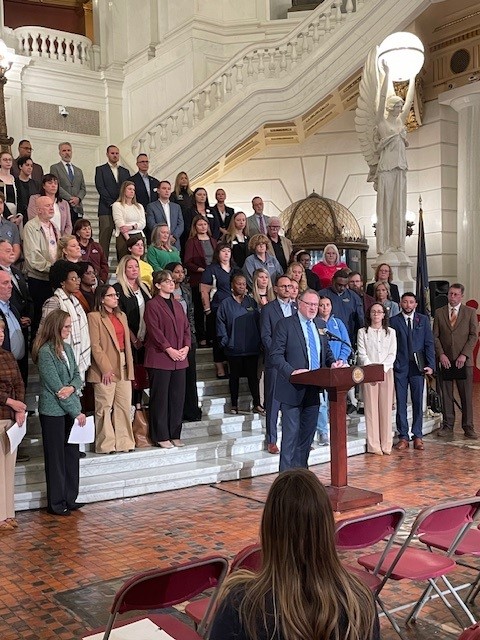
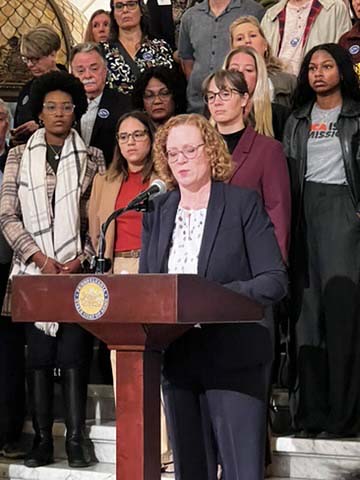
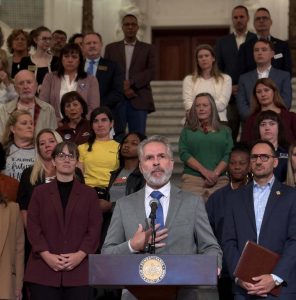
On Thursday, October 2, RCPA joined The Coalition of Critical Services Providers at the Harrisburg State Capitol Rotunda, urging Governor Shapiro and the Pennsylvania General Assembly to pass a final state budget that invests appropriately in health and human services before there are no providers left to care for Pennsylvania’s most vulnerable. The event served as a call for an immediate budget resolution to ensure vital services for residents can continue across the Commonwealth as the Pennsylvania budget impasse enters its fourth month. Speakers included RCPA COO and Mental Health Policy Director Jim Sharp and President from United Way of PA Kristen Rotz. Behavioral Health Division Policy Associate Emma Sharp and Government Affairs Director Jack Phillips were also in attendance.
 |
—– |  |
 |
—– |  |
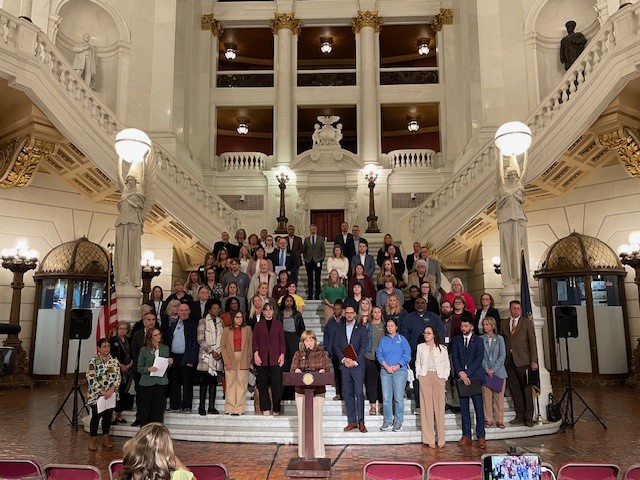
In addition, RCPA member EIPA Vice President Anne Lang and RCPA member Pathways Forward CEO Pat Slattery spoke of the current challenges in funding, stressing that investing money now would be vastly more economical than the long-term cost of leaving services underfunded.
 |
—– |  |
 Prev
Prev