




Safety Net Programs Are Likely to Be The First Affected by a Continued PA Budget Impasse: RCPA President/CEO Richard Edley Quoted


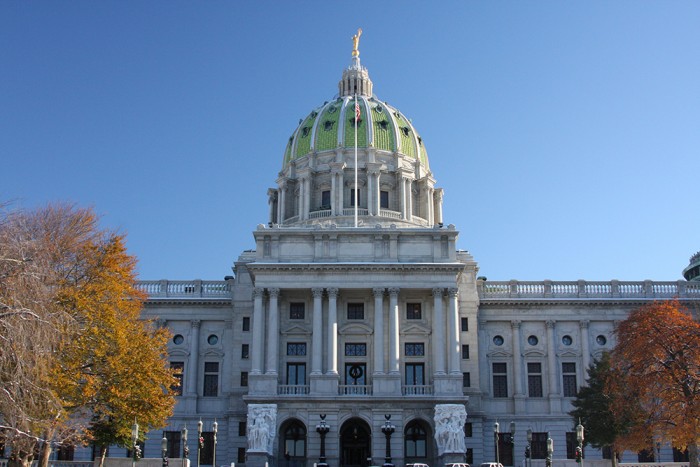
On Tuesday, July 29, the Governor’s Office of the Budget provided an update on the status of the Fiscal Year (FY) 2025/26 state budget. The update outlines projected impacts across various departments within the Department of Human Services (DHS) over the next six weeks resulting from the ongoing budget impasse. Although the Governor, Senate, and House leadership have described ongoing negotiations as respectful, they have also been described as inching along. The letter from Secretary Monson cites funding for public schools and mass transit as top challenges in finalizing a budget.
Following is a summary of payments from Pennsylvania health and human services departments that will be delayed without a budget.
Department of Aging cannot distribute:
Department of Drug and Alcohol Programs cannot distribute:
Department of Health cannot distribute:
Department of Human Services cannot distribute:
Read the letter from Secretary Monson here. If you have any questions, please contact your respective RCPA Policy Director.

The Senate today approved the “Big Beautiful Bill” with the collateral impact of taking away health care from hundreds of thousands of Pennsylvanians. The bill will now return to the House for a final vote before it goes to the President’s desk for signature and approval. The House is expected to act quickly.
The Senate bill makes even more drastic cuts to health coverage than the House version, totaling over $1 trillion, including Medicaid. Millions of Americans will lose access to health care; specifically, these cuts will take away health care from more than 600,000 Pennsylvanians and could double health insurance premiums for many more. In addition, the bill adds trillions to the growing Federal deficit by way of sizable tax cuts.
This will deeply impact our most vulnerable individuals and families that our members serve in the Commonwealth. We must act now to save access to health care. Find your legislator and their contact information here to let them know that you do not support the passage of the “Big Beautiful Bill.”
The Mental Health Safety Net (MHSN) Coalition’s weekly advocacy communication focused this week on the Commonwealth’s need for an increase in Behavioral Health Capitation to ensure sound rates to sustain providers and access to services. The full advocacy letter can be read here.
The Mental Health Safety Net (MHSN) Coalition is a group of stakeholders participating in a joint advocacy effort to protect and preserve our mental health service delivery system. RCPA invites all members, non-members, and systems-wide behavioral health stakeholders to participate in the MHSN Coalition meeting on Monday, June 30, 2025, from 2:30 pm – 3:00 pm. This meeting will serve to update the group on strategy, activities, and engagement opportunities.
Please contact Emma Sharp with questions or if you would like to join the coalition.

A new Center for American Progress (CAP) analysis estimates that if H.R. 1 were to become law, more than 1.6 million Medicaid-expansion enrollees receiving SUD treatment would become uninsured. Although these estimates reflect the House-passed bill, the Senate’s more extreme Medicaid cuts could cause even greater coverage losses and disruptions to care.
KFF developed a table that provides a summary comparison of Medicaid provisions, including details on work requirements, in the House and Senate budget reconciliation bills.
The reconciliation legislation still needs to pass the Senate, and the House and Senate will need to reconcile any outstanding differences. President Trump expects to have the reconciliation bill on his desk for signing by July 4.
The bulk of those coverage losses would come from the bill’s proposed burdensome work-reporting requirements on adults enrolled in Medicaid through the Affordable Care Act’s expansion option. Specifically, the bill would require nonpregnant, nondisabled, non-caregiver adults ages 19 to 64 to document at least 80 hours of work per month or other qualifying activities (such as job training or volunteering) in order to maintain their Medicaid coverage. Individuals unable to meet the requirement would risk losing coverage. The Senate Finance Committee text goes even further, eliminating the exemption and requiring compliance from parents with children older than age 14.
Though the bill includes an exemption for individuals with SUD from work-reporting requirements, it remains unclear how states would implement or enforce that exemption.
CAP estimates that the states with the largest coverage losses among Medicaid enrollees being treated for SUD include California (nearly 170,000), New York (nearly 166,500), Ohio (134,500), and Pennsylvania (nearly 118,000). These coverage losses reflect the size of each state’s Medicaid expansion population as well as each state’s rate of SUD treatment take-up among people with Medicaid.
Medicaid is the largest payer of behavioral health services in the United States, including for SUD treatment. According to the latest available data, Medicaid covered nearly 60 percent of all national spending on SUD treatment in 2019 — accounting for $17 billion out of the $30 billion spent across all payers.
ACA improved SUD treatment access by making SUD services one of ten essential health benefits that nearly all insurers are required to cover. The ACA also allowed states to expand Medicaid eligibility to adults with incomes up to 138 percent of the federal-poverty level, providing millions of previously uninsured low-income adults with access to life-saving SUD treatment.
The Mental Health Safety Net (MHSN) Coalition is a group of stakeholders participating in a joint advocacy effort to protect and preserve our mental health service delivery system. The Coalition’s third advocacy letter addresses the need for funding for county mental health services for adults in Pennsylvania. The full letter can be read here.
RCPA invites all members, non-members, and systems-wide behavioral health stakeholders to participate in the Mental Health Safety Net Coalition meeting on Monday, June 23, 2025, from 2:30 pm – 3:00 pm. This meeting will serve to update the group on strategy, activities, and engagement opportunities.
Please contact Emma Sharp with any questions or if you would like to join the Coalition.

The House Energy & Commerce Committee will hold a hearing on June 24, 2025, regarding the Department of Health and Human Services’ (HHS) fiscal year (FY) 2026 budget. The hearing will begin at 10:00 am, and Secretary of HHS Robert F. Kennedy, Jr. is expected to serve as witness and provide testimony on the President’s proposed budget.
The hearing is open to the public and will be livestreamed online using the link above.
 Prev
Prev