






';
Tags Posts tagged with "hcbs"

hcbs

The Office of Long-Term Living (OLTL) has released a message providing advance notice of the 2024 pre-administration of the home and community-based services (HCBS) Consumer Assessment of Healthcare Providers and Systems (CAHPS) survey.

OLTL has the HCBS CAHPS survey administered to participants who receive HCBS through the Act 150 Program as well as the OBRA and the Community HealthChoices (CHC) Waiver Programs in the fall. The department then uses the responses received to assist them with improving the services participants receive. To increase response rates, OLTL is requesting Service Coordinators to begin having conversations with the HCBS participants in order to provide an introduction and encourage participation in the upcoming administration of the survey.

The HCBS CAHPS Survey will be administered from August 1, 2024, to October 31, 2024. This survey will ask questions about the services HCBS participants receive at home or in the community and how well the services meet their needs. Press Ganey, an independent firm, will conduct the survey. They will call participants to set up a time to talk. Member’s participants may also call Press Ganey toll free at 1-800-588-1659 (TTY: 711) if they would like to take the 30-minute survey. The number can also be used to make an appointment to take the survey at a time that works for them. Participants are randomly selected to participate in the survey from a list of all participants receiving HCBS through either the Act 150 Program, the OBRA Waiver, or the CHC Waiver Programs. Language Services can be provided to HCBS participants at no cost.

Members are encouraged to remind participants that their privacy is important. If they choose to participate, any information that they provide will be kept confidential. Participants will not be identified in any report that is released, and their answers will not be shared with their providers, Service Coordinator, or anyone else who assists them. It is the participant’s choice whether to participate, and their decision to participate will not affect any HCBS received through OLTL.

The Pennsylvania Homecare Association (PHA), the Pennsylvania Association of Home and Community-Based Services, and the Rehabilitation & Community Providers Association (RCPA) provided feedback on House Bill 2372, sponsored by Reps. Jessica Benham and Jason Ortitay. The bill seeks to improve agency accountability and ensure livable wages for home care workers in Pennsylvania by increasing state funding for personal assistance services. The associations support the bill but recommended uniform wage increases across all care models and a standardized rate review process every three years. They also expressed concerns about burdensome funding allocations and reporting requirements as well as provisions that could disproportionately affect nonprofit agencies by linking enhanced rates to tax status.

The groups emphasized the need to focus on investments in workforce development and quality care rather than imposing arbitrary financial mandates. They advocated for collaborative efforts to create a sustainable future for home-based care, ensuring high-quality services for Pennsylvania’s aging population.

For more details, read the full letter here.

Photo by CHUTTERSNAP on Unsplash

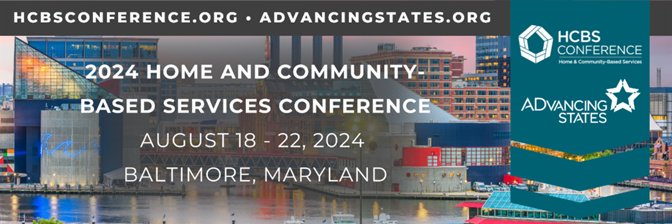
ADvancing States invites you to register for the 2024 Home and Community-Based Services (HCBS) Conference, celebrating significant milestones this year: the 60th anniversary of ADvancing States and the 40th anniversary of the HCBS Conference. The event gathers leaders and policymakers in the field of aging and disabilities to discuss and share practices that enhance state systems delivering long-term services and supports for individuals of all ages and abilities. Scheduled from Monday, August 18, to Friday, August 22, 2024, at the Baltimore Marriott Waterfront, the conference offers over 190 sessions, along with breakfast, lunch, and networking opportunities, including a Gala Dinner on Wednesday, August 21. Additionally, a virtual conference will be available on Wednesday, September 11, and Thursday, September 12, featuring on-demand sessions with live speaker Q&A, accessible from home at a reduced rate. For more details or to register, visit the in-person registration or virtual conference information pages.

ADvancing States and the ARPA HCBS TA Collective Announce Release of Report Summarizing State Experiences with ARPA HCBS Initiatives

FOR IMMEDIATE RELEASE
April 23, 2024
CONTACT: Camille Dobson
202-898-2578

ARLINGTON, VA — ADvancing States and our partners in the American Rescue Plan Act (ARPA) home and community-based services (HCBS) Technical Assistance Collective (TA Collective) are proud to release a report sharing findings about states’ experience in implementing their ARPA HCBS initiatives. While the ARPA infusion of federal dollars into HCBS provided an historic opportunity to try bold, new approaches to supporting people in their homes and communities, states were challenged to make systemic improvements given the time-limited nature of the federal funds.

To gather insights into states’ experiences in implementing their ARPA HCBS spending plans, the TA Collective fielded a national survey in early 2024 that aimed to identify successful strategies used by states implementing their ARPA HCBS spending plans, as well as any barriers hindering their success. Based on responses to that survey, this report highlights the challenges and barriers states faced in thoughtfully executing their initiatives in the midst of a public health emergency. The thirty-three states that responded to the survey shared the top barriers to implementing their projects as planned. These barriers include:

  • Delays in obtaining approval from CMS for both their spending plans and the necessary federal authorities to implement those plans;
  • Lack of staff capacity to design and implement complex initiatives;
  • The time it takes to complete state procurement processes to implement projects; and
  • The need to secure legislative approval and/or budget authority before beginning work.

The report also suggests ways to make any future time-limited investments in the HCBS system more effective, including giving states more time to implement, easing the CMS approval process and providing resources to both states and CMS. Moreover, any future investments should be accompanied by a federal evaluation to glean insights into successful interventions that could be replicated across the country.

While this report highlights challenges and lessons learned, it should be noted that, against all odds, states created transformational change with their ARPA spending plan initiatives. Our hope is that this report — and the recommendations contained therein — serves as a roadmap for any future federal investment in the HCBS system.

This report is also informed by the TA Collective’s work supporting states with their ARPA initiative planning, implementation, and evaluation activities and by observations and analysis of state and federal ARPA HCBS activities. It builds upon the TA Collective’s past work including, Efforts to Evaluate the Impact of ARPA HCBS Investments, an issue brief examining state evaluation approaches, and a summary of the work of the HCBS Sustainability Summit, which provided valuable context on sustaining the HCBS commitment fostered by ARPA investments. Both reports can be found here.

We are grateful to The John A. Hartford Foundation, the Care for all with Respect and Equity (CARE) Fund, The SCAN Foundation, and the Milbank Memorial Fund for their support in making the work of the TA Collective possible.

Visit here to read the new report.

Photo by Michael Schofield on Unsplash

The While House issued a press release announcing that the Access Final Rule will be released later today. These regulations include:

  • The Nursing Home Minimum Staffing Rule, which will require all nursing homes that receive federal funding through Medicare and Medicaid to have 3.48 hours per resident per day of total staffing, including a defined number from both registered nurses (0.55 hours per resident per day) and nurse aides (2.45 per resident per day);
  • Introducing the requirements of the rule in phases to make sure nursing homes have the time they need to hire staff, with longer timeframes for rural communities;
  • Ensuring adequate compensation for home care workers for HCBS operations of in-home care (both Personal Assistance Services and Community Habilitation) by “requiring that at least 80 percent of Medicaid payments for home care services go to workers’ wages. This policy would also allow states to take into account the unique experiences that small home care providers and providers in rural areas face while ensuring their employees receive their fair share of Medicaid payments and continued training as well as the delivery of quality care;”
  • The state requirement to be more transparent in how much they pay for home care services and how they set those rates, increasing the accountability for home care providers; and
  • The creation of a state home care rate-setting advisory group made up of beneficiaries, home care workers, and other key stakeholders to advise and consult on provider payment rates and direct compensation for direct care workers.

We will continue to monitor the details of these regulations and Pennsylvania’s plans to comply. If you have any questions, please contact Fady Sahhar.

The Office of Long-Term Living (OLTL) has announced that they will be presenting a six-session webinar series that will focus on housing issues. The live, interactive webinars will be conducted from 12:00 pm – 1:30 pm in April and May and will focus on the following topics:

2024 OLTL Spring Housing Series Curriculum

  • April 2: Understanding Housing Nuances in Pennsylvania
  • April 9: Recommended Relationships to Have in the Housing Sector
  • April 16: Fair Housing and Landlord/Tenant Issues with the Housing Equality Center of PA
  • April 23: OFF
  • April 30: Types of Housing Funding Sources
  • May 7: Keeping Participants Housed with Landlord Engagement Techniques AND Housing Information Resources to be Aware of
  • May 14: Assistive Technology and Housing with the PA Assistive Technology Foundation (PATF)

Target Audience

The webinar series targets Service Coordinators, Managed Care Organizations (MCO), and Service Coordination Entity support staff who assist program participants in securing and maintaining affordable, accessible housing through Home and Community-Based Services (HCBS). The target audience for these webinars includes individuals and organizations who provide long-term services and supports (LTSS) for older Pennsylvanians and people with physical disabilities.

Important Information

The information covered in this webinar series will be similar to the information covered in the 2023 OLTL spring and fall housing webinars (except for an added session on assistive technology). Since the information is similar, if you attended the 2023 housing webinars, you do not need to attend this series unless you wish to refresh your knowledge on the topic, participate in a session that you missed, or participate in the new assistive technology session.

This webinar series builds on information already provided in the Online Housing Training Modules and the Self-Determination Housing of Pennsylvania (SDHP)/Inglis’ Prepared Renter Program (PREP) curriculum.

The content in each webinar builds on prior content. Participants will get the most out of the series by taking all of the webinars.

To participate in the webinars, registration is available here.